Explore our insights: Recent updates from our blog

Explore practical knowledge and inspiration on branding, design, and communication strategy.

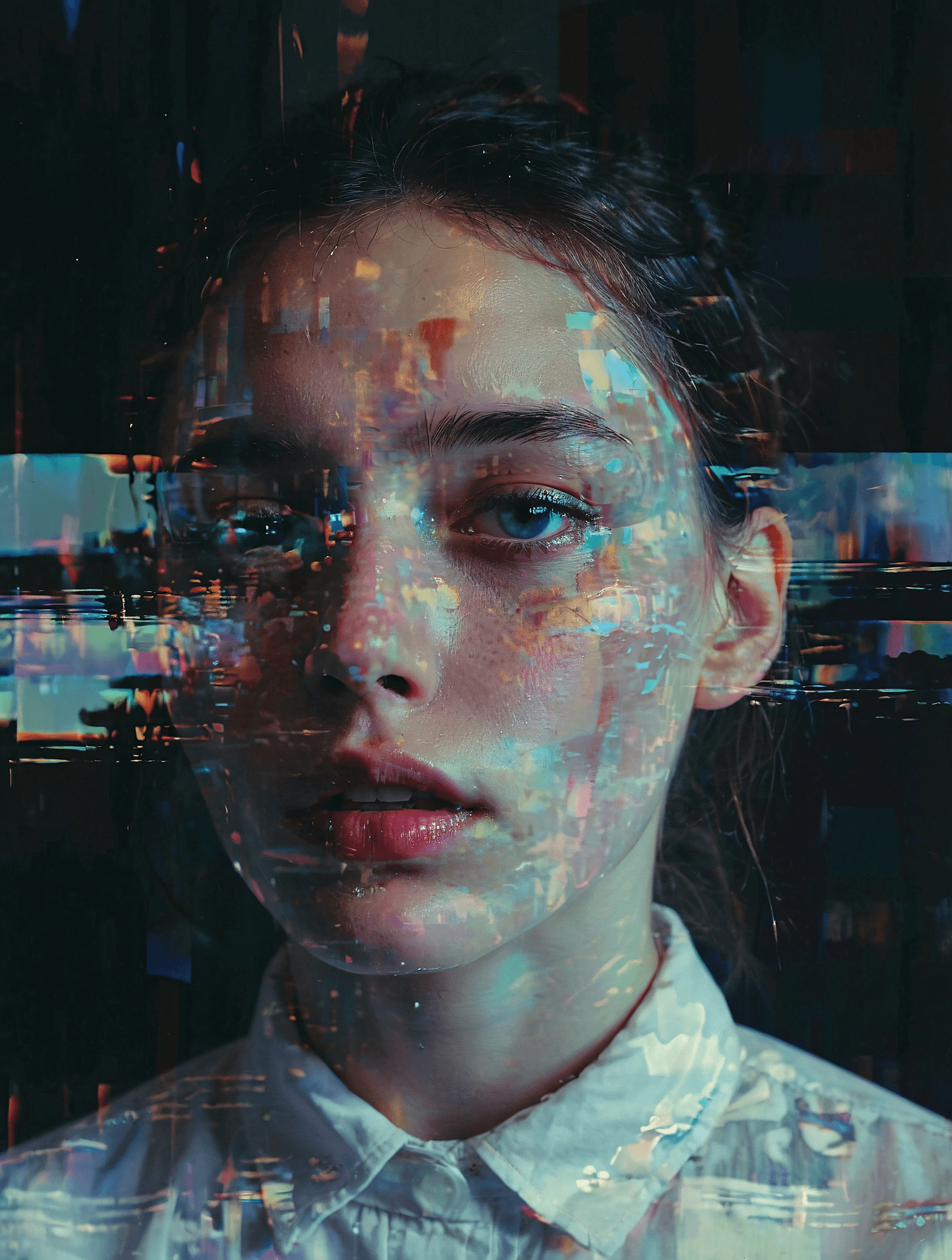
A close-up of a young woman with a digital glitch overlay, blending natural beauty with a futuristic, cyberpunk aesthetic.

Design ethics; UX design

Design empathy in the age of AI

Artificial intelligence has entered the design room — quietly, powerfully, and permanently. It drafts layouts, generates images, predicts behavior. It understands aesthetics faster than we can blink. But as AI grows smarter, the designer’s role doesn’t shrink — it deepens. Because at the heart of great design lies something machines still struggle to replicate: empathy. Designing in the age of AI isn’t about replacing intuition with data — it’s about teaching technology to care.

Abstract glowing triangular light trails with soft hues of white, red, and rainbow colors on a dark gradient background.

Branding

The future of brand motion: from identity to experience

As screens evolve, motion is no longer decoration — it’s identity. It defines how a brand feels, how it behaves, and how it connects with its audience. We’ve entered a new era of branding — one where motion isn’t an afterthought, but the foundation of experience. The question is no longer what does your brand look like? It’s how does it move?

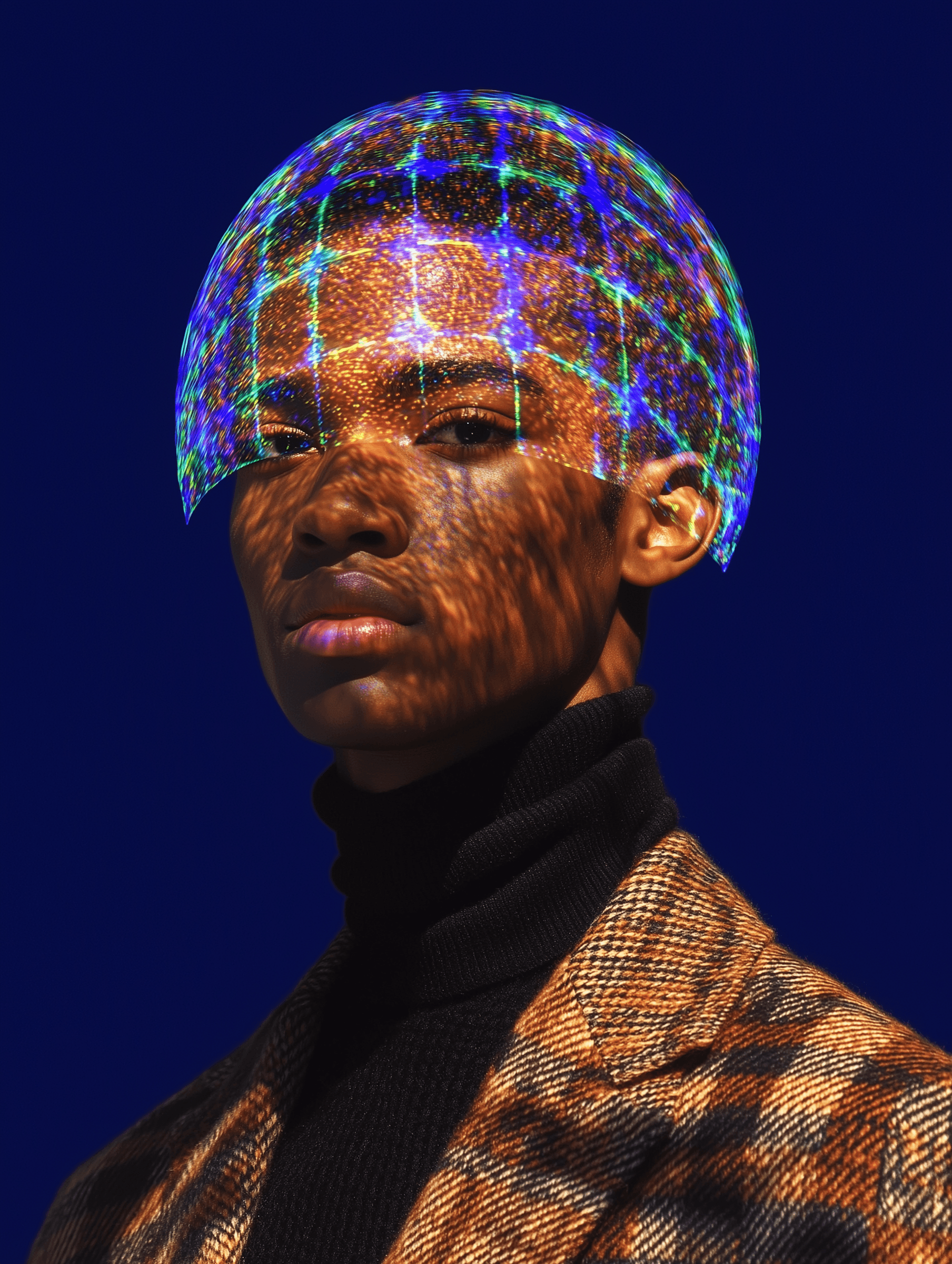
A person with a digital grid pattern on their face, wearing a plaid jacket against a blue background.

Creative direction

The future of emotion in digital design

The future of digital design isn’t about more features, smarter systems, or faster performance — it’s about feeling. For decades, we’ve designed for function. We’ve optimized flows, crafted interfaces, and perfected usability. But the next era of design won’t be defined by how things work — it’ll be defined by how they make us feel. Emotion is becoming the new frontier of design innovation. And it’s changing everything.

Young woman with brown hair and white sweater using smartphone, bathed in warm sunlight, creating a serene and focused atmosphere.

UX design

Design empathy: seeing through someone else’s interface

Every interface tells a story — but not always the user’s. Too often, we design from a place of assumption. We imagine how someone might think, what they might click, or how they might feel. But design empathy asks us to go deeper — to see through their interface, not ours. It’s less about aesthetics and more about perception. Less about usability, more about understanding. Because empathy isn’t a feature. It’s a responsibility.

Visual design; Design philosophy

The ethics of minimalism: when less hides too much

Minimalism has become the visual language of credibility — clean grids, generous white space, muted tones, elegant typography. It’s the aesthetic shorthand for modern, refined, trustworthy. But like all aesthetics, minimalism carries weight. Behind every clean surface lies a question: what did we remove — and why? When minimalism becomes an excuse to strip away meaning, it risks turning into silence. And in design, silence can be complicit.

Design process

Designing for rhythm: The flow between structure and intuition

Every interface has a pulse. Every layout, a tempo. Every transition, a rhythm. Design, at its best, feels alive. Not just organized — but in motion. That motion doesn’t come from animation alone; it comes from the balance between structure and intuition. When we talk about rhythm in design, we’re talking about the invisible flow that guides the eye, paces emotion, and connects one idea to the next — effortlessly.

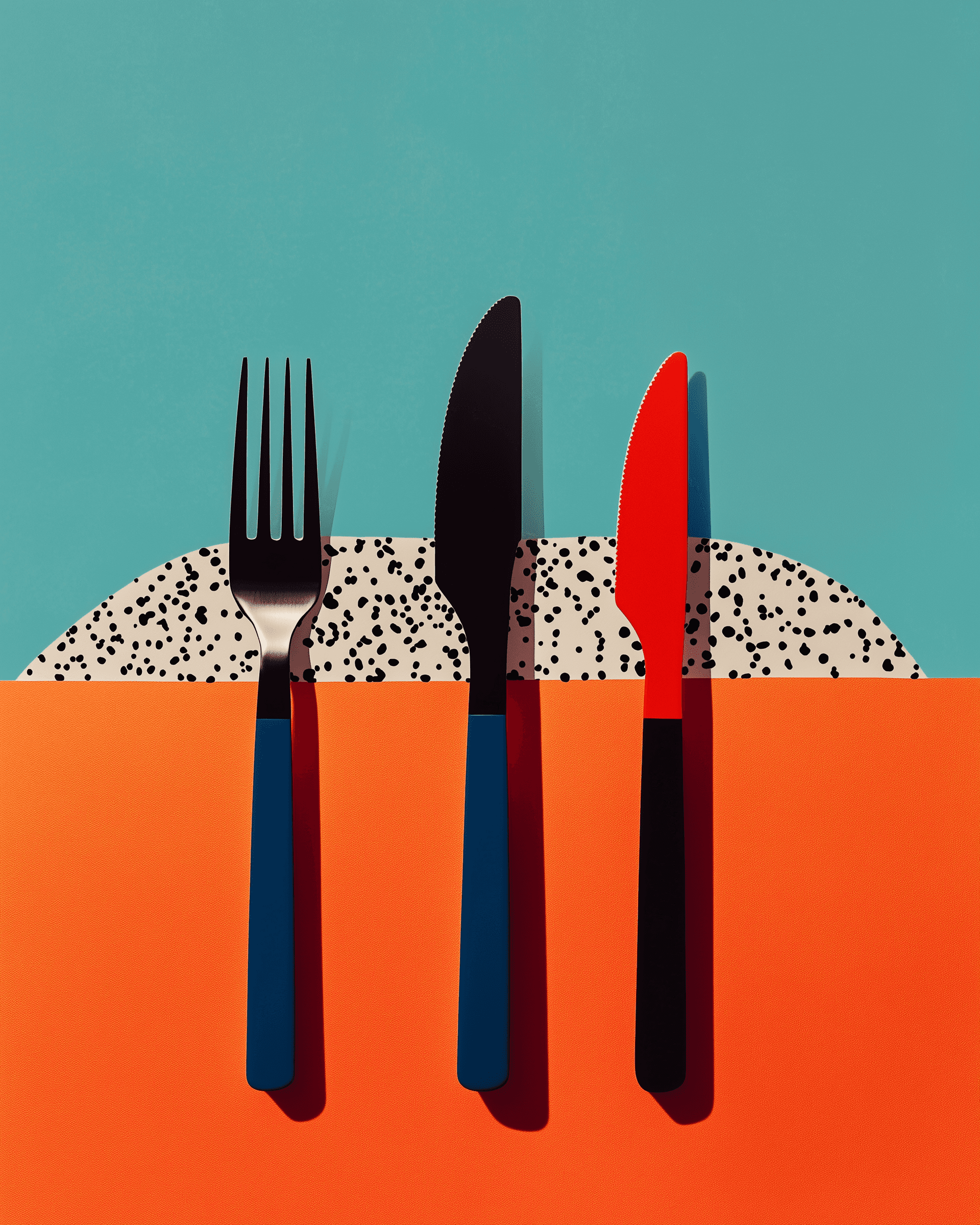
Modern illustration of cutlery on a colorful background with teal, speckled, and orange sections. Bold and contemporary design.

Creative life

Designing with cultural intelligence: how local context shapes global creativity

Culture shapes how people see, feel, and interpret design. Every color, word, and symbol carries weight depending on where you stand in the world. As brands expand across borders, understanding local context isn’t optional—it’s a competitive advantage. Designing with cultural intelligence means designing with respect, empathy, and awareness.

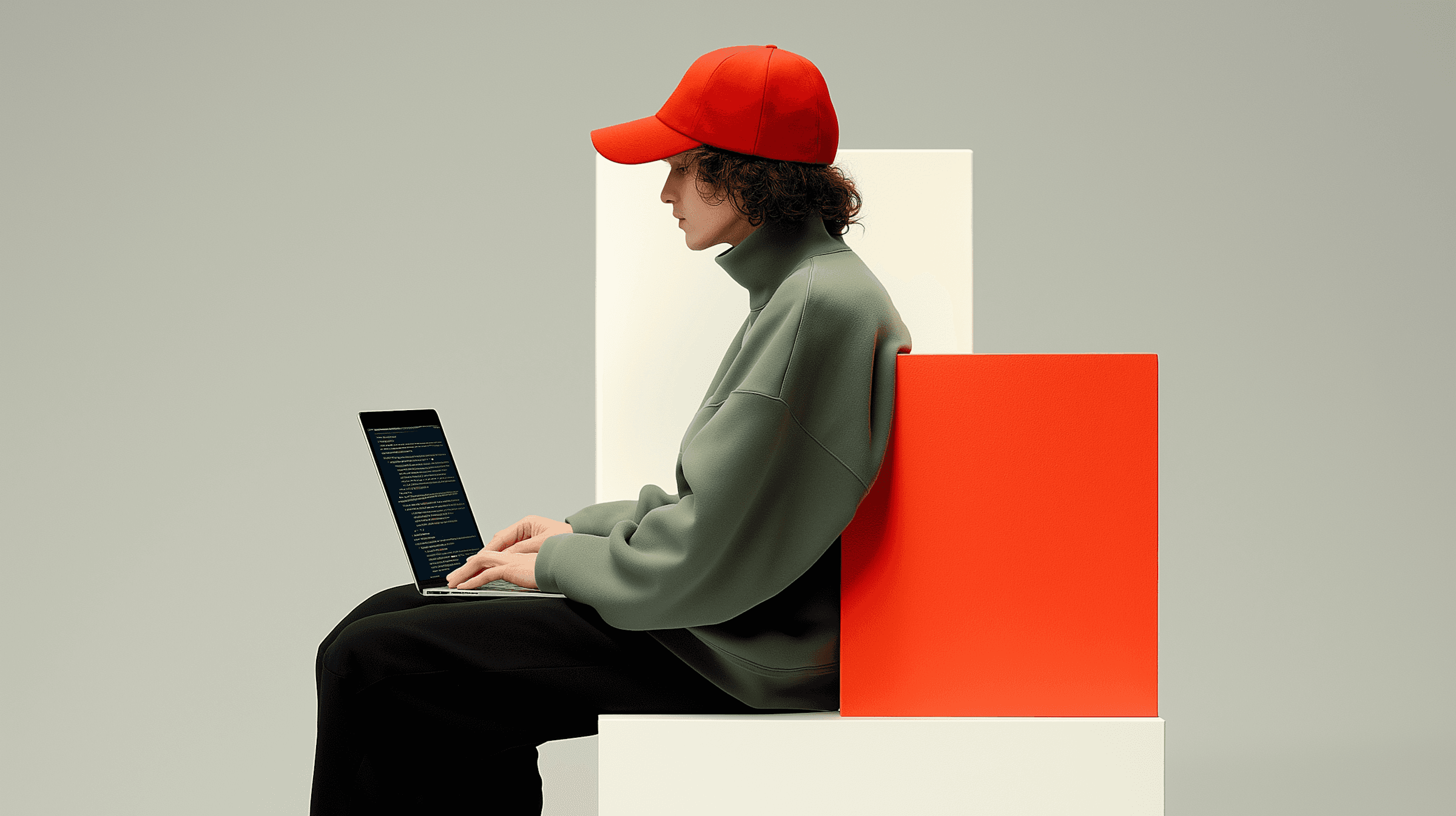
Person in red cap and green sweater using a laptop, seated on colorful blocks against a neutral background.

Branding

The anatomy of timeless branding: what makes a visual identity endure

Every few years, trends shift. What’s considered “modern” today will likely feel outdated tomorrow. Yet some brands—Apple, Nike, Coca-Cola—seem immune to this cycle. Their visual identities remain timeless, adapting gracefully without losing their essence. What’s their secret? Let’s unpack the anatomy of timeless branding.

Create a free website with Framer, the website builder loved by startups, designers and agencies.