Every interface has a pulse. Every layout, a tempo. Every transition, a rhythm. Design, at its best, feels alive. Not just organized — but in motion. That motion doesn’t come from animation alone; it comes from the balance between structure and intuition. When we talk about rhythm in design, we’re talking about the invisible flow that guides the eye, paces emotion, and connects one idea to the next — effortlessly.
The silent tempo of structure
Grids are not prisons. They’re instruments.
Structure gives rhythm its beat — the framework that anchors creativity. It provides the visual meter through which the eye moves, rests, and anticipates.
Without it, everything feels arbitrary.
At Mōra, we see structure as the logic behind intuition.
Spacing, typographic rhythm, and layout patterns create a sense of predictability that allows expression to thrive. Like a jazz composition — the rules make the improvisation meaningful.
The intuition behind flow
Rhythm doesn’t live in numbers — it lives in feeling.
It’s that gut instinct that tells you when a headline feels too heavy, or a layout too stiff. Intuition in design develops over time. It’s built from countless hours of observation — of music, architecture, human behavior. You start to sense the beat in everything: how people scroll, how they pause, how their eyes drift across the page.
The best designers don’t just arrange elements — they conduct them.
Micro-rhythms in interaction
Every click, hover, or transition is a beat in your user’s journey.
These moments define the micro-rhythm of experience — how fast or slow the user feels the product breathe.
A button that fades in softly invites.
A scroll-triggered animation that moves too abruptly disrupts.
A well-timed hover motion reassures.
Good rhythm is invisible. The user doesn’t notice it — they feel it.
Their eyes and hands fall into sync with your design, as if following a melody only they can hear.
Visual pacing and emotional tone
Design rhythm is emotional pacing in disguise. Fast transitions can feel energetic, innovative, or impulsive.
Slow fades and gentle curves communicate calm, care, and thoughtfulness.
In branding, rhythm helps define tone:
Luxury brands stretch moments — holding space and silence.
Tech startups compress time — quick, confident, forward-moving.
Your rhythm says more than your palette ever could. It tells users how to feel before they even know why.
The balance of symmetry and surprise
A perfect rhythm risks becoming predictable. And predictability, when overused, dulls attention. That’s why great design plays with syncopation — the small disruptions that make the familiar feel alive again.
A subtle offset in the grid.
An unexpected transition.
A headline that pauses mid-flow to surprise.
These moments of friction wake the senses. They remind users that design isn’t just a system — it’s an experience.
Rhythm as storytelling
Every story needs a pace — a build-up, a pause, a climax, and a release. Design rhythm mirrors that same arc. The homepage breathes in slow; the product section accelerates; the interaction moments keep the beat; and the final call to action resolves the melody.
When rhythm is intentional, users don’t just navigate a website — they experience a journey.
Their emotions align with your sequence. Their curiosity builds with your pacing. Their attention lands exactly where you want it.
Designing with the body in mind
Human perception is rhythmic by nature.
Our eyes blink, our hands tap, our breathing syncs to patterns we recognize. When rhythm aligns with these natural tempos, design feels organic. It resonates.
That’s why motion, spacing, and balance aren’t just visual — they’re physiological. Designers who understand rhythm are designing not just for the screen, but for the body.
Conclusion
Structure gives us order. Intuition gives us flow. Together, they create rhythm — the quiet music of design. It’s what makes a layout feel alive, an interface feel human, and a brand feel like it’s breathing. The next time you design, don’t just think about what’s aligned — think about what’s in tune.
ABOUT AUTHOR
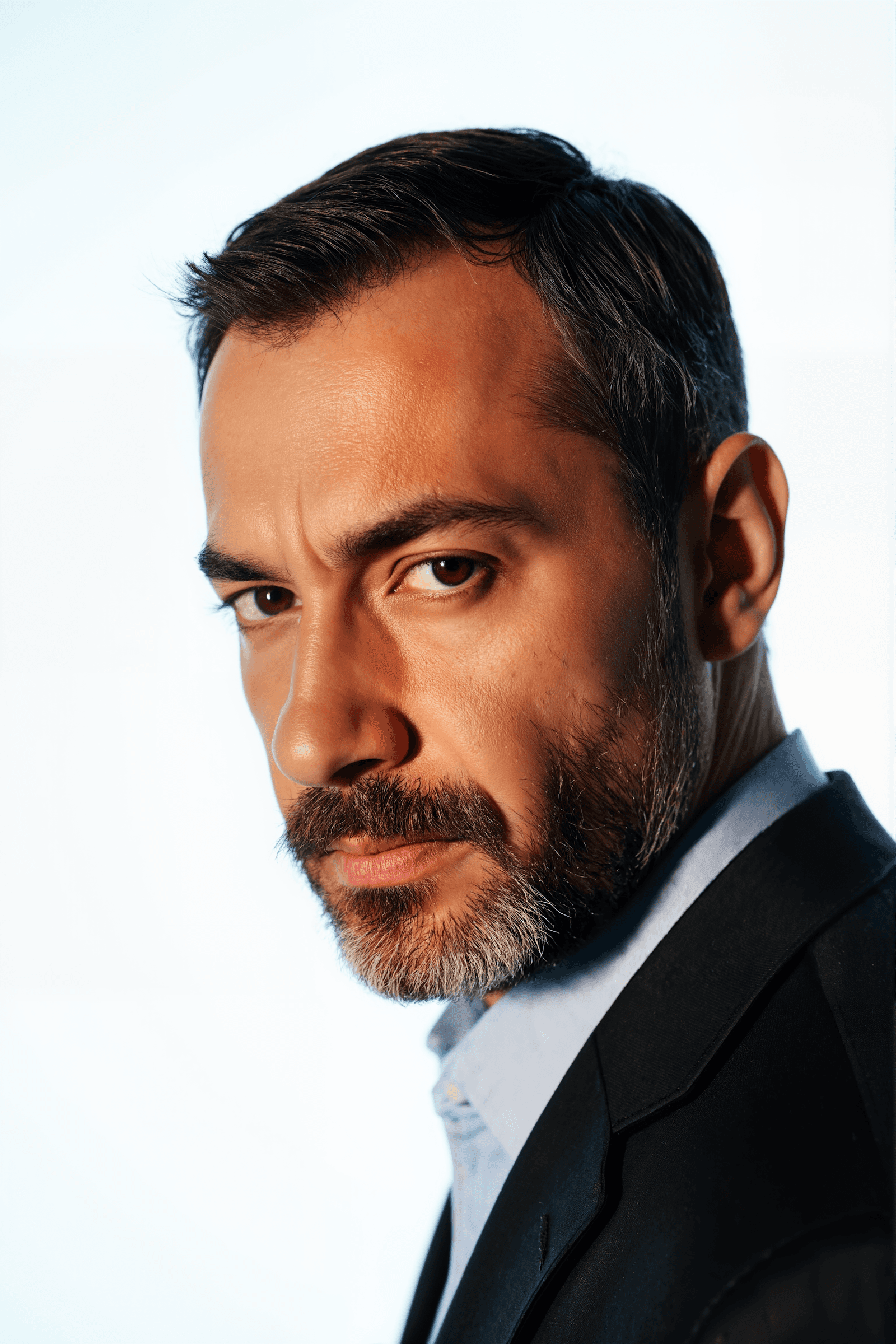
Rafael Osei
Design Director, Mōra Studio
Rafael designs systems that breathe — balancing the rational with the emotional. He believes rhythm in design is not about repetition but resonance: how form, motion, and meaning move together to create flow.