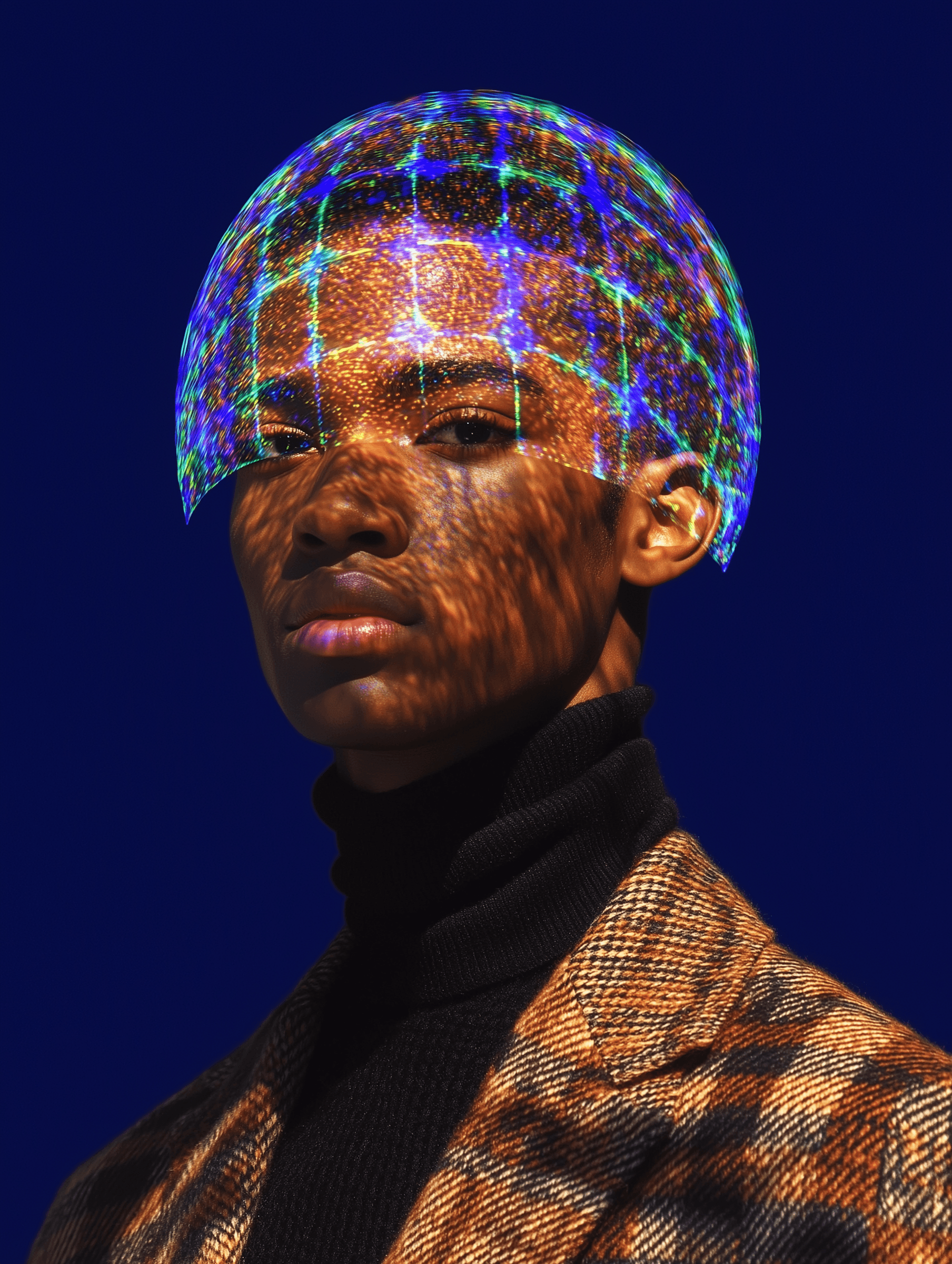
The future of digital design isn’t about more features, smarter systems, or faster performance — it’s about feeling. For decades, we’ve designed for function. We’ve optimized flows, crafted interfaces, and perfected usability. But the next era of design won’t be defined by how things work — it’ll be defined by how they make us feel. Emotion is becoming the new frontier of design innovation. And it’s changing everything.
Perfect — here’s the third article for Mōra Insights.
It’s thoughtful, layered, and forward-looking — blending emotion, psychology, and design’s evolving role in digital experiences.
From function to feeling
We used to design for efficiency: fewer clicks, cleaner layouts, simpler journeys. That era taught us how to remove friction — but also, unintentionally, how to remove soul.
Now, digital spaces are learning to feel again.
Brands are rediscovering warmth — the small microinteractions, tones of voice, and textures that make interfaces not just usable, but alive.
A button that subtly glows when you hover.
A transition that feels like a breath between moments.
A line of copy that sounds like it was written by a friend.
Emotion isn’t decoration. It’s communication.
The science behind feeling
Every design decision triggers an emotional response — often subconsciously.
Color affects mood. Spacing affects stress. Animation affects trust.
Neurologically, humans process visuals 60,000 times faster than text. But what they remember is the emotional impression — not the detail.
When someone says, “That website just felt right,” they’re not referring to usability — they’re describing an emotional equilibrium between clarity and connection.
Good design engineers that balance. Great design makes it invisible.
Digital warmth and human tone
Think about the last time you interacted with an app that understood you — not logically, but emotionally. Maybe it used language that soothed you when you were overwhelmed. Or color that softened the screen late at night.
That’s digital empathy.
Tone is now as critical as typography. Microcopy carries emotional weight. Even the pace of interaction matters — a loading animation that rushes can feel anxious; one that breathes can feel calm.
Designers are no longer just building interfaces. We’re choreographing emotions.
Beyond aesthetics: The era of emotional intelligence
The rise of AI is accelerating this shift. Machine learning systems are learning to read emotional cues — from facial expressions, voice tones, or even user behavior — and adapt interfaces accordingly.
Imagine a platform that subtly shifts its tone or brightness depending on your mood.
A productivity app that recognizes frustration and simplifies the task.
Or a wellness platform that speaks differently when you’re tired.
We’re moving toward emotionally responsive design — experiences that don’t just react to inputs, but to feelings.
And while that opens incredible potential, it also demands ethics.
Designers must ask: How much emotion should a machine be allowed to simulate?
Emotional honesty in branding
Emotion-driven design isn’t just about being “warm.” It’s about being true.
People crave authenticity — not polished perfection. That’s why imperfect moments, like a hand-drawn icon or a natural color palette, often resonate deeper than sterile perfection.
Brands that lead with emotional honesty — vulnerability, humor, care — create loyalty far beyond visuals.
They don’t just occupy pixels. They occupy hearts.
The shift in metrics
For years, we’ve measured success through clicks, conversions, and retention. But emotion doesn’t fit neatly into analytics dashboards.
The next generation of UX metrics will measure affective engagement: how people feel before, during, and after using a product.
Designers will ask new questions:
Does this experience soothe or stress?
Does this interface invite trust?
Do users feel seen?
The best designs of the future won’t just be usable. They’ll be emotionally restorative.
Designing for emotional diversity
Emotion isn’t universal — it’s cultural, generational, personal. What feels calm in one culture may feel empty in another.
The future of emotional design means designing for variation, not uniformity.
It’s about creating systems flexible enough to adapt to human nuance.
Think of it as emotional localization — tailoring not just language, but feeling for different audiences.
When machines begin to care
Soon, emotion and AI will coexist seamlessly. Interfaces will read mood through camera input or interaction patterns — and adapt accordingly.
But there’s a fine line between empathy and manipulation.
As emotional design evolves, transparency becomes crucial. Users must know when emotion is designed — and when it’s real.
The best designers will use emotion not as a tactic, but as a form of respect.
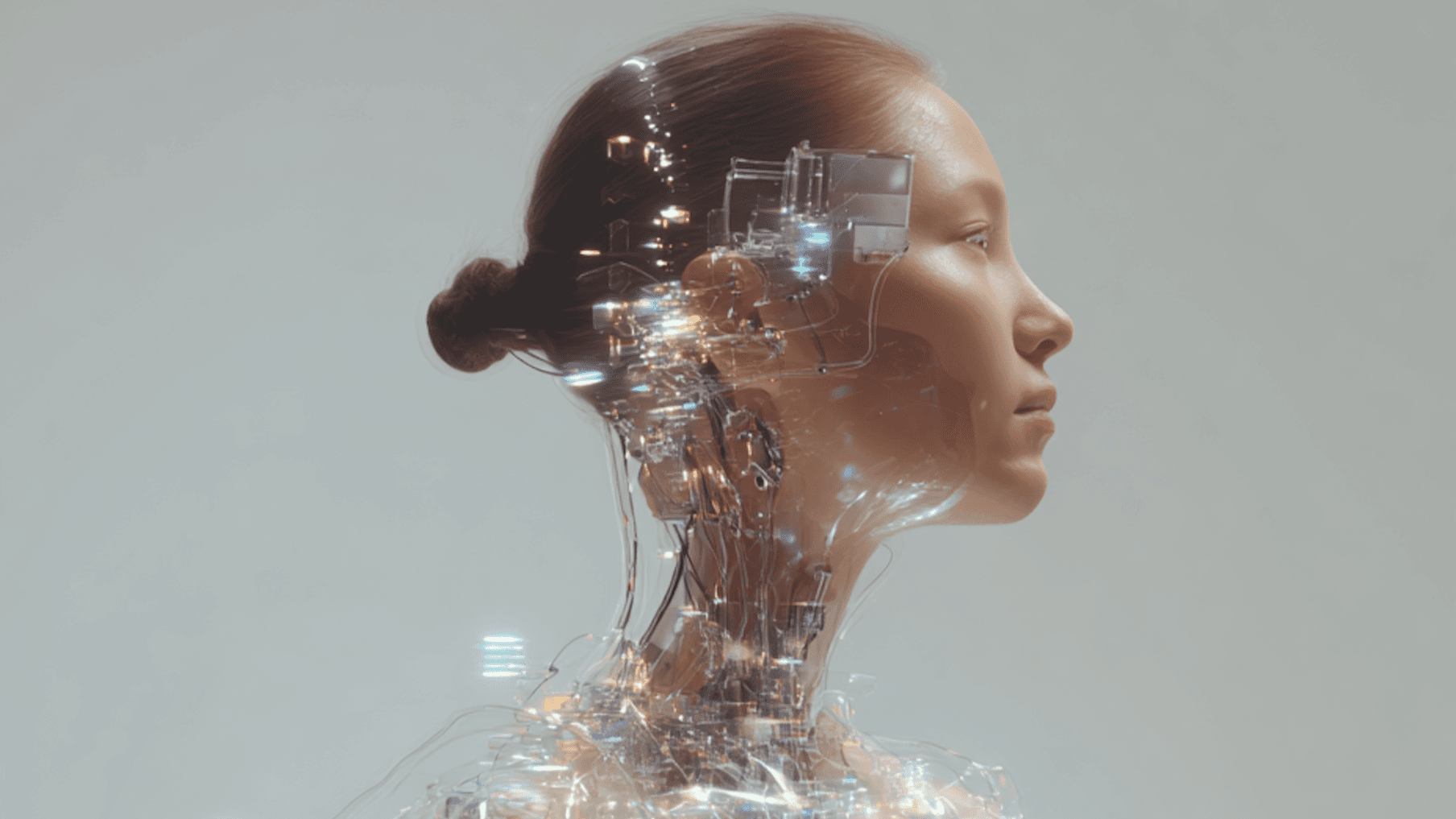
Emotion as legacy
What makes a design timeless isn’t its trendiness — it’s the emotion it carries.
We forget products, but we remember how they made us feel.
Designers are no longer shaping screens. We’re shaping memories.
And if we do our jobs right, those memories will feel warm, human, and quietly unforgettable.
Conclusion
The next decade of design won’t be ruled by new tools, frameworks, or algorithms — it’ll be ruled by feeling.
Emotion is not a luxury. It’s the essence of connection.
The future of digital design is deeply human — and its success depends on how much we’re willing to care.
ABOUT AUTHOR
Elias Karmo
Lead Experience Designer, Mōra Studio
Elias explores the intersection of human behavior, design systems, and technology. His work is driven by one question: How do we make digital feel human again?