
Minimalism has become the visual language of credibility — clean grids, generous white space, muted tones, elegant typography. It’s the aesthetic shorthand for modern, refined, trustworthy. But like all aesthetics, minimalism carries weight. Behind every clean surface lies a question: what did we remove — and why? When minimalism becomes an excuse to strip away meaning, it risks turning into silence. And in design, silence can be complicit.
The moral illusion of simplicity
Minimalism often feels moral because it looks pure. We associate honesty less with focus and restraint. But simplicity, when used carelessly, can just as easily obscure as it can clarify. A blank interface might feel intuitive — yet hide complexity behind layers of abstraction. A minimalist brand might feel premium — yet erase the culture or texture that once gave it life.
Ethical design asks not just how clean it looks, but whose story got wiped away in the cleaning process.
The paradox of clarity
Clarity is often mistaken for emptiness.
But clarity isn’t about removing everything — it’s about removing the unnecessary.
The problem arises when “unnecessary” becomes synonymous with “uncomfortable.”
Cultural detail. Emotional texture. Human imperfection. When design avoids these for the sake of looking polished, it loses its honesty. It becomes sterile — a kind of visual denial.
Minimalism should illuminate truth, not bleach it.

The aesthetic of silence
There’s a certain serenity in white space. But too much of it — too much neutrality — can create distance. In branding, that distance often reads as detachment. When everything is stripped to perfection, what remains feels untouchable — beautiful, but unreachable.
In our quest for elegance, we risk removing the very friction that makes a brand feel alive.
The heartbeat is in the details — not in the emptiness between them.
When minimalism becomes privilege
Not all audiences read simplicity the same way.
For some, it communicates sophistication.
For others, it communicates exclusion — a sense that “this wasn’t designed for me.”
Minimalist design often assumes literacy in modern digital aesthetics. But accessibility means more than meeting WCAG standards — it means designing for cultural and emotional comprehension. Ethical minimalism recognizes that not everyone has the same visual vocabulary — and meets them halfway.
Transparency through form
Design has power — not just to inform, but to persuade.
Minimalism, when misused, can hide persuasion behind elegance.
A sleek subscription flow that subtly obscures pricing.
A “clean” onboarding that skips consent explanations.
A neutral tone that avoids moral stance.
True transparency isn’t just about visible information — it’s about visible intent.
If users can’t tell what’s happening, it’s not minimalism. It’s manipulation in disguise.
Emotional minimalism
There’s a softer side to simplicity — one that feels honest rather than hollow.
It’s the minimalism that reveals emotion instead of suppressing it.
Soft typography that feels human.
Muted colors that evoke calm instead of coldness.
Whitespace that invites breath, not detachment.
Minimalism done well doesn’t erase — it distills. It holds emotion quietly, without spectacle.
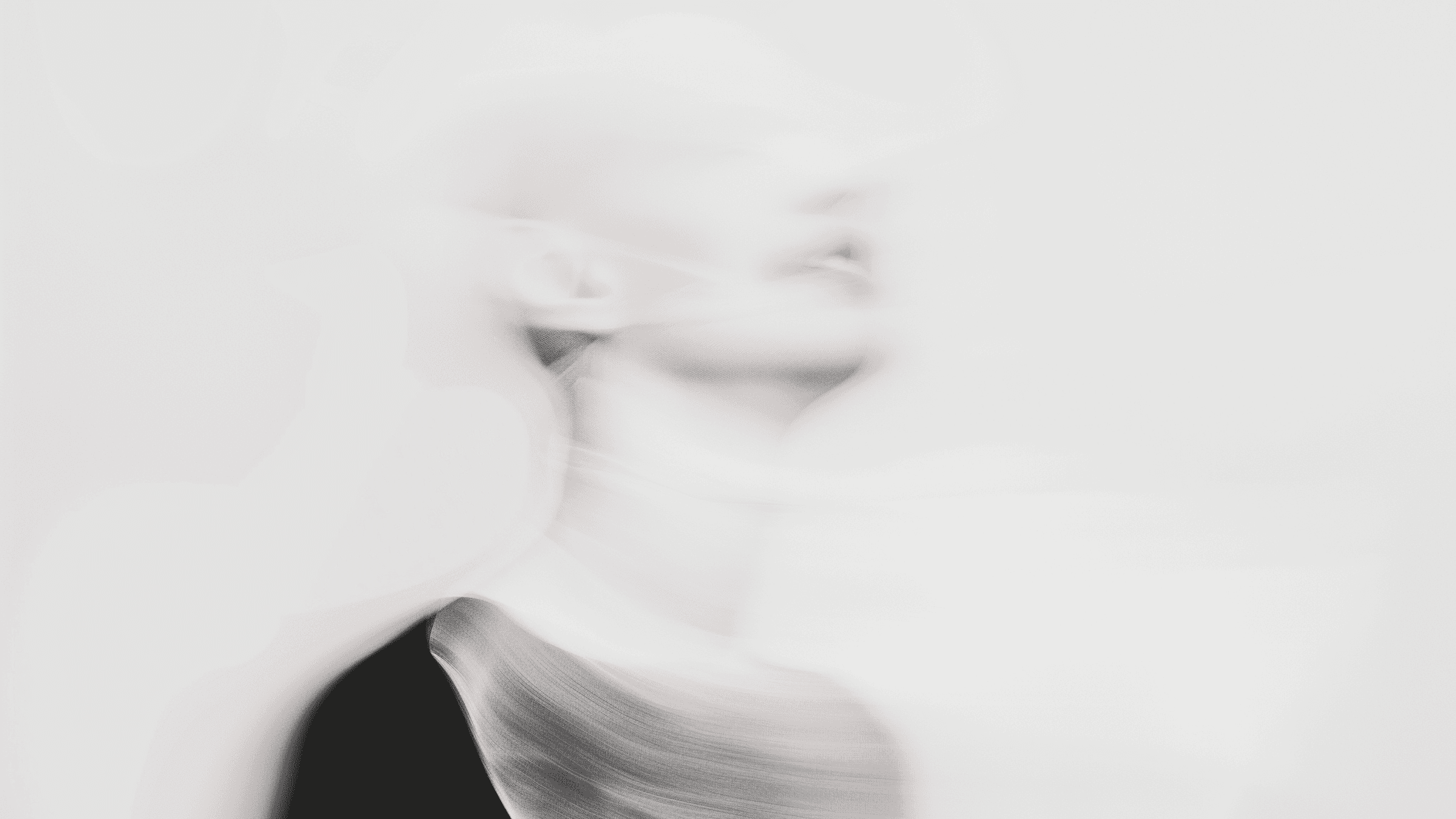
Designing with restraint and conscience
At Mōra, we often say: restraint is not reduction.
Every removed element must earn its absence.
That means asking:
Does removing this make the design clearer — or does it make it colder?
Does this silence serve simplicity — or secrecy?
Ethical minimalism is not about showing less. It’s about showing what matters most — clearly, truthfully, and without pretension.
Conclusion
Minimalism is not a moral stance. It’s a medium — one that can reveal or conceal, depending on how we wield it.
The ethics of design live in intention.
If “less” helps people understand, connect, and feel — it’s good design.
But if “less” hides truth, complexity, or humanity — it’s just decoration wearing virtue’s clothes.
In the end, the question isn’t how minimal can we go, but how honest can we be?
ABOUT AUTHOR

Lina Bako
Senior Visual Strategist, Mōra Studio
Lina explores the intersection of ethics, design, and emotion. She believes that simplicity in design is not inherently moral — it becomes ethical only when it clarifies truth rather than conceals it.