
Artificial intelligence has entered the design room — quietly, powerfully, and permanently. It drafts layouts, generates images, predicts behavior. It understands aesthetics faster than we can blink. But as AI grows smarter, the designer’s role doesn’t shrink — it deepens. Because at the heart of great design lies something machines still struggle to replicate: empathy. Designing in the age of AI isn’t about replacing intuition with data — it’s about teaching technology to care.
The human layer in intelligent systems
AI can recognize patterns — but it cannot feel them.
It can identify the most “engaging” color combinations, yet it doesn’t understand why someone feels at ease with soft tones or inspired by contrast. That gap — between recognition and emotion — is where human designers matter most.
Empathy is our interpretive layer.
It’s what turns information into insight, and insight into experience. AI helps us see faster, but empathy helps us see deeper.
Designing with, not for, machines
We often imagine AI as a tool — but it’s becoming more like a collaborator. Instead of dictating every pixel, designers now guide algorithms through intention. We prompt, refine, and direct — almost like conducting a creative orchestra.
This requires new literacy:
understanding how AI interprets inputs, how it learns from bias, and how to maintain ethical guardrails.
The future designer’s canvas isn’t just Figma or Framer — it’s a dialogue between mind and model.
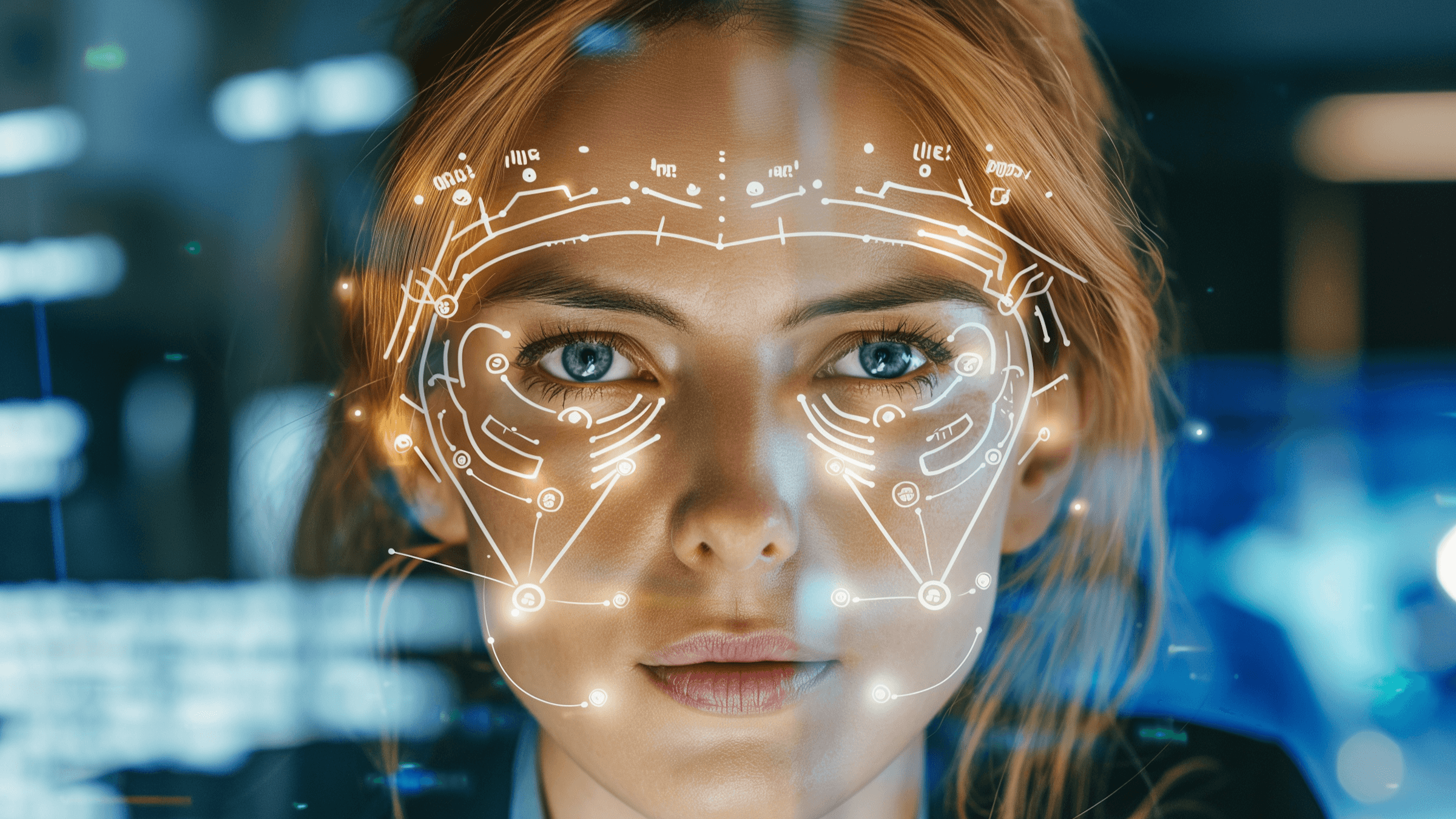
Empathy as a design framework
Empathy in AI-driven design means three things:
Understanding context: Designing beyond the data — considering users’ environments, emotions, and vulnerabilities.
Practicing transparency: Showing users when and how AI is being used.
Prioritizing dignity: Ensuring automation enhances, not replaces, human creativity.
When we embed empathy into algorithms, technology begins to reflect values — not just behaviors.
The bias within beauty
AI systems are trained on data — and data carries bias.
When algorithms learn what’s “beautiful” from a narrow dataset, they unintentionally reinforce sameness.
That’s why diversity in data and design teams is not optional — it’s ethical infrastructure.
As designers, we must constantly ask: Whose definition of good design is this? Whose stories are missing?
Empathy helps us challenge these defaults. It ensures that progress doesn’t erase personality.
The emotional cost of automation
As AI takes over repetitive design tasks, many creatives fear becoming obsolete. But automation doesn’t erase the need for emotion — it amplifies it.
When tools do the technical heavy lifting, our focus shifts to storytelling, context, and meaning. The designer’s new power lies in shaping why things exist — not just how they’re made. Empathy becomes our creative edge — the quality AI still can’t compute.
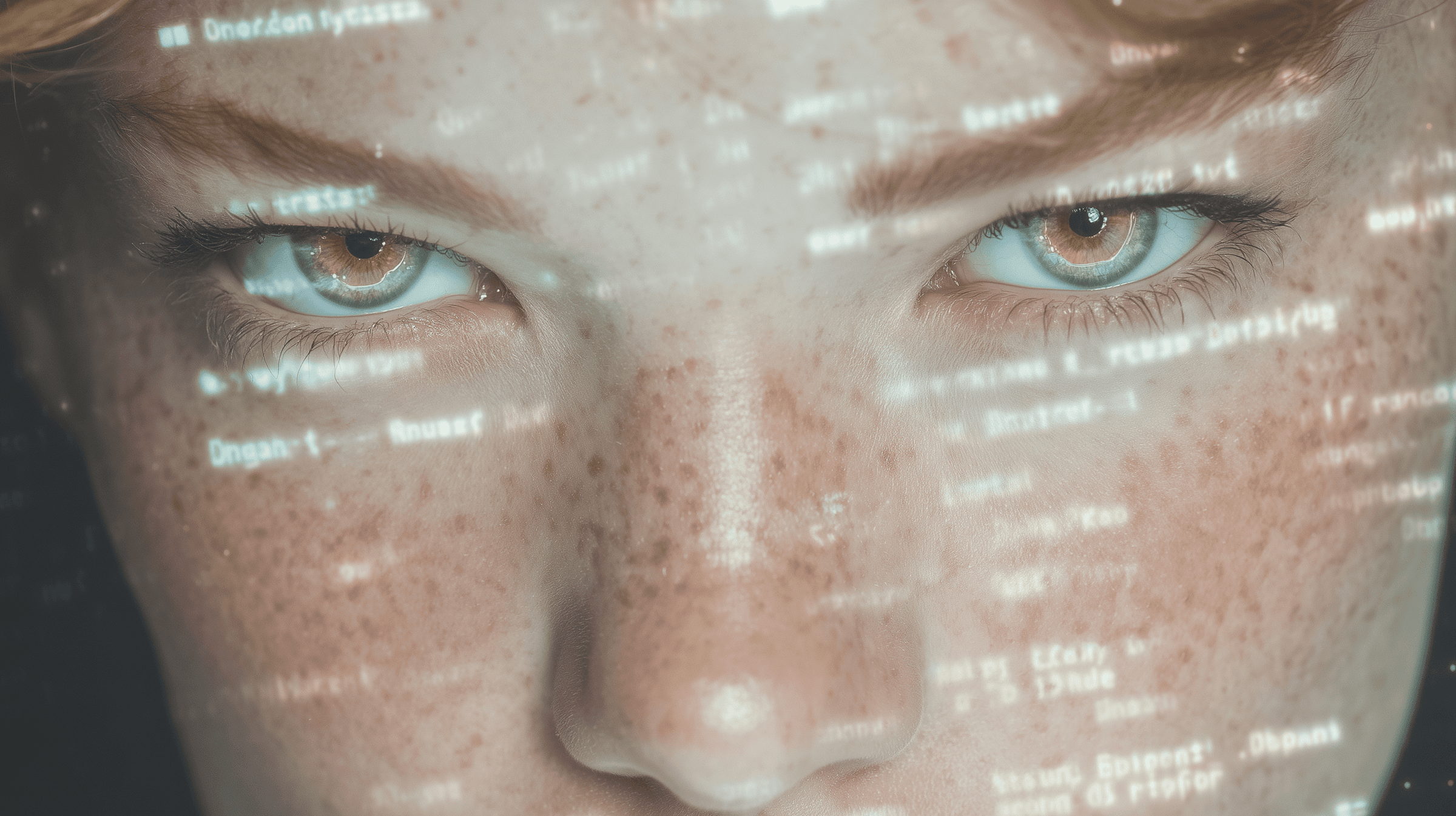
Designing humane interactions
Imagine an interface that predicts your next move — but also senses your hesitation.
A chatbot that answers correctly — but also kindly.
These are the frontiers of design empathy.
It’s not about making machines human — it’s about making them aware of the human on the other side.
Tone, pacing, and microinteractions all contribute to emotional comfort.
Designers can use AI to enhance awareness, not suppress it.
When done right, empathy turns automation into intimacy.
Ethical imagination
Designers are no longer just creators — we’re custodians of possibility.
Every AI interface we craft becomes a small window into the future of human interaction.
Will it make people feel empowered — or watched?
Included — or profiled?
Empathy requires imagination — the ability to foresee emotional consequences before they happen. Design isn’t neutral anymore. Every choice teaches machines how to treat us.
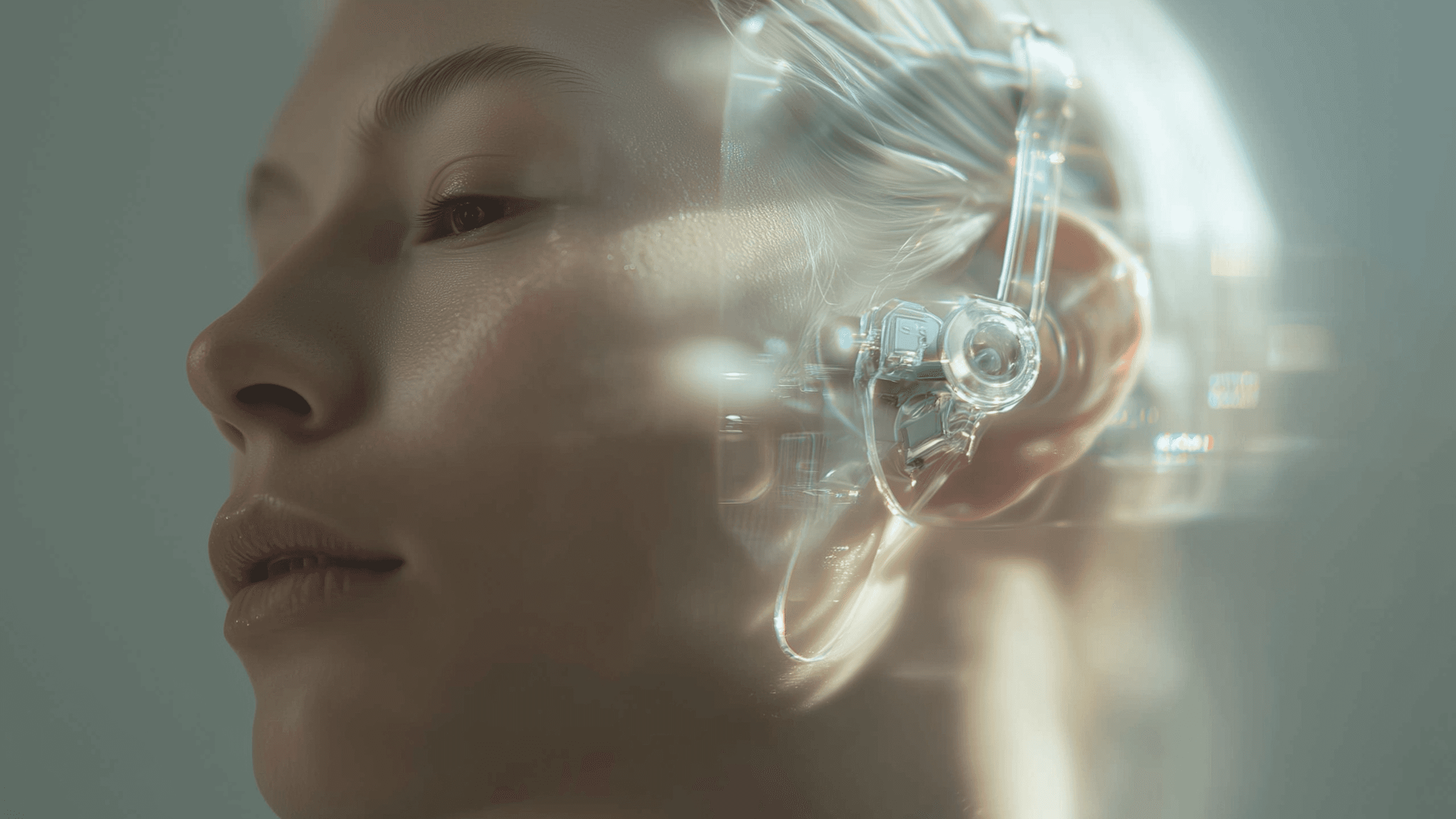
The new creative symbiosis
The designers who will thrive in the AI era aren’t those who resist technology, but those who infuse it with conscience.
It’s a partnership — human intuition steering machine intelligence.
The designer’s sketch and the AI’s suggestion now coexist on the same layer of creation.
The goal is not to dominate the algorithm, but to collaborate — to build tools that think with us, not for us.*
Conclusion
Empathy is design’s oldest instinct — and its newest frontier. As AI shapes our creative world, empathy reminds us why we design in the first place: to make technology feel more human, not the other way around.
The future of design isn’t artificial.
It’s amplified humanity.
Because no matter how intelligent our tools become, the heart of good design will always beat in sync with human feeling.
ABOUT AUTHOR

Martha Stewart
Design Ethicist, Mōra Studio
Martha studies the evolving relationship between technology and human emotion. Her work explores how designers can build intelligent systems that feel more compassionate, transparent, and responsible.