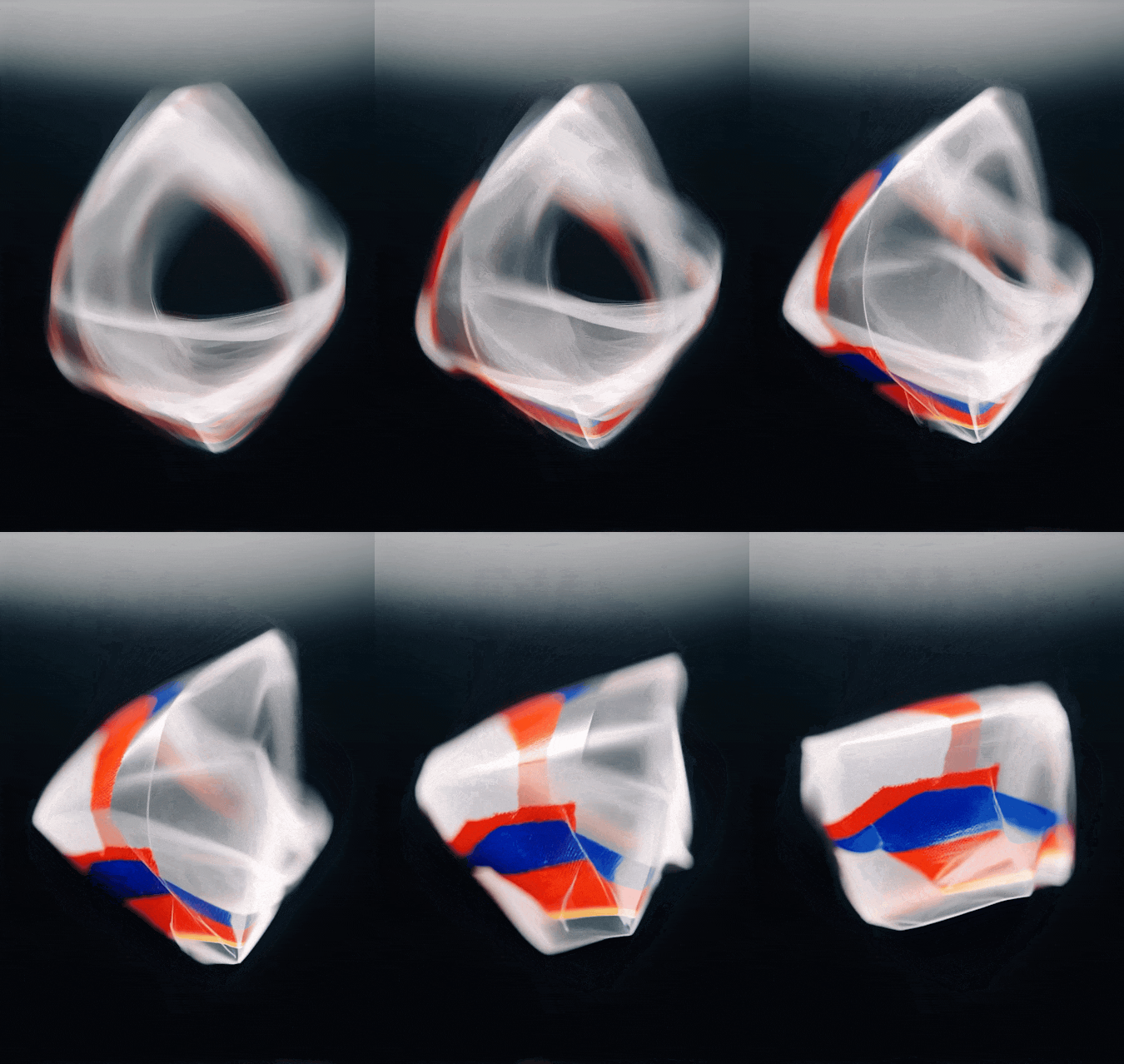
As screens evolve, motion is no longer decoration — it’s identity. It defines how a brand feels, how it behaves, and how it connects with its audience. We’ve entered a new era of branding — one where motion isn’t an afterthought, but the foundation of experience. The question is no longer what does your brand look like? It’s how does it move?
Motion as identity
In the past, a brand’s identity was fixed — printed, static, and permanent.
Today, it’s fluid.
Motion gives brands dimension — pace, rhythm, emotion.
A slow, easing transition communicates calm confidence.
A sharp bounce signals energy and play.
When designed intentionally, these movements become as recognizable as color or typography.
Motion becomes behavior.
At Mōra, we often say: Your logo doesn’t just exist. It performs.
The anatomy of brand movement
Great brand motion isn’t random. It’s built from three emotional layers:
Timing: The pulse of the brand — slow, balanced, or fast-paced.
Easing: How transitions begin and end — abrupt or smooth, playful or poised.
Continuity: The consistency of rhythm across all touchpoints.
These details shape how users feel the brand before they consciously understand it. When done right, motion acts like music — invisible, but deeply felt.
From logo animations to motion systems
Brands once stopped at animated logos. But modern identity systems now expand motion into every layer of experience.
The hover states on buttons.
The pacing of scroll animations.
The microinteractions inside an app.
Together, these create a cohesive motion language — a rhythm users intuitively recognize. Imagine a brand that glides instead of snaps; or one that pulses, stretches, or fades. These are personality traits in kinetic form.
The future of motion design is not animation for content — it’s animation as identity.
Motion and emotion
Humans instinctively respond to movement.
Our eyes follow rhythm before our minds process meaning. That’s why motion has such emotional gravity in design.
It can calm, energize, surprise, or reassure — all in milliseconds.
But the secret lies in restraint.
Too much motion overwhelms. Too little feels lifeless.
The best brand motion balances flow with pause — much like breathing.
It’s that balance that makes the brand feel human.
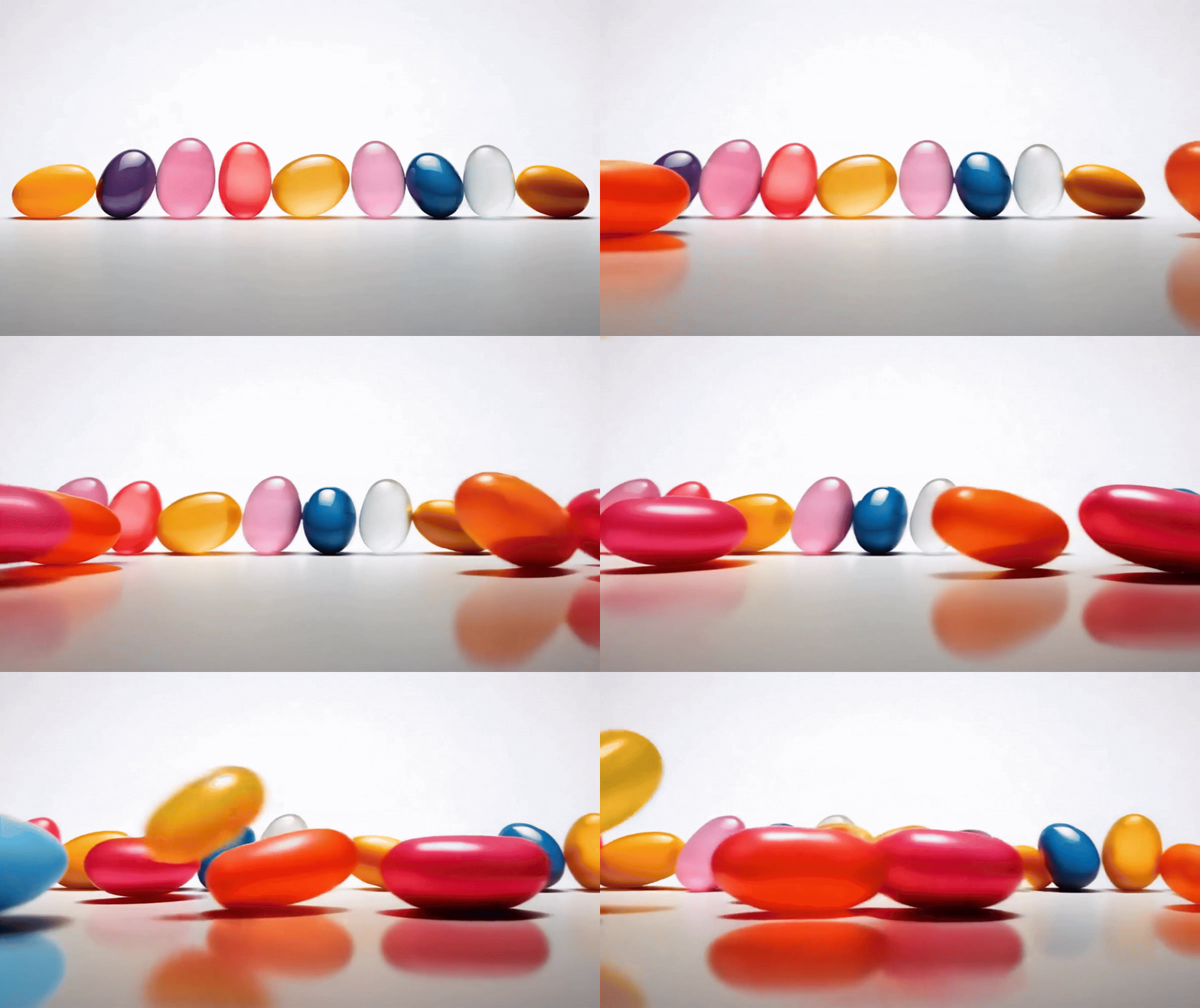
The invisible choreography
Behind every delightful motion experience is choreography — a design of timing, flow, and anticipation.
Think of it as emotional UX:
how one moment leads into the next, and how users feel between those transitions.
When every motion aligns with intent — not just visual flair — the experience becomes seamless.
You’re not watching motion; you’re feeling continuity.
Good motion design fades away, leaving only presence.
Tools and mindset shifts
As technology evolves, motion design moves closer to code.
Tools like Framer, Spline, and Lottie make motion part of the design system — not a post-production add-on.
Designers must now think in frames, velocity, and timing curves.
It’s a language of movement that sits between art and engineering.
And yet, the most important skill remains empathy — knowing when to move, when to rest, and when to let silence do the work.
Beyond screens: motion as brand behavior
Motion doesn’t stop at digital.
It extends into spatial design, product packaging, physical installations, even sound.
Brands like Apple, Nike, and Airbnb already choreograph movement across every medium — creating unified experiences that feel alive.
Motion becomes not just a visual device, but a brand’s body language.
Conclusion
Brand motion is no longer a layer — it’s the soul of modern identity. It’s how a brand breathes, how it speaks, and how it connects. Static design tells you what a brand is. Motion tells you who it is.
The future of branding isn’t about creating systems that sit still.
It’s about building ones that move with purpose.
Because the brands that move well, Samuel —
are the ones that move us.
ABOUT AUTHOR
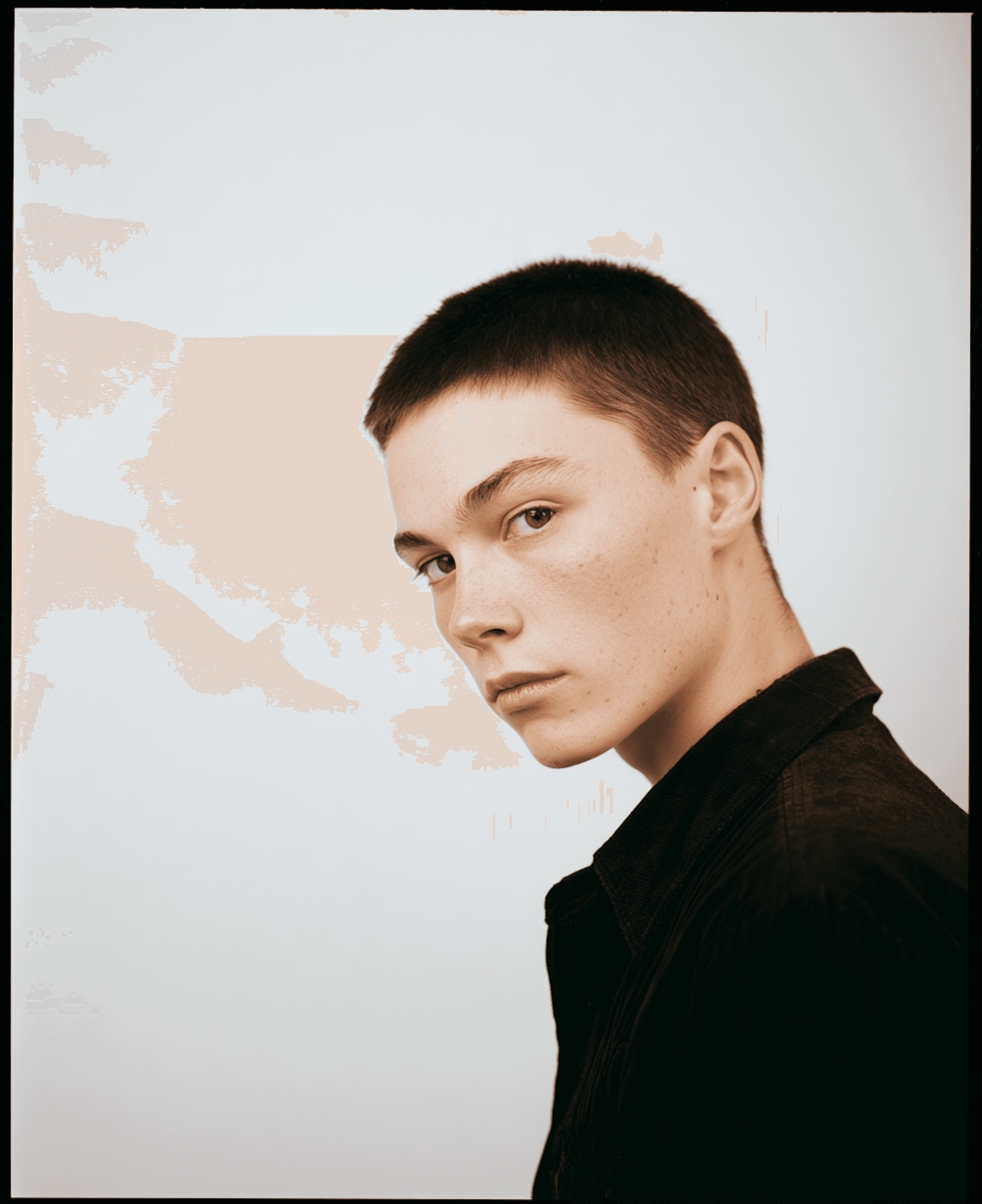
Khalil Mensah
Motion Designer, Mōra Studio
Khalil explores how brands move, breathe, and express emotion through motion. His work bridges static identity with dynamic storytelling — transforming visual systems into living experiences.