Design doesn’t happen in isolation. It happens in the spaces between people — in the messy, unpredictable moments where ideas collide and reshape each other. Collaboration isn’t just about working together. It’s about building trust, learning to listen, and realizing that great design isn’t the product of one mind — it’s the harmony of many. When done right, collaboration itself becomes a form of design.
The invisible architecture of teamwork
Behind every seamless design lies an invisible structure — how people communicate, challenge, and support each other.
Good teams design this structure intentionally.
They don’t just ask, “Who’s doing what?”
They ask, “How do we think together?”
At Mōra, we treat collaboration like a design system — one with its own rhythm, typography, and flow. The typography is our tone, the grid is our boundaries, and the colors are our personalities. When those align, magic happens.
Friction as a creative tool
True collaboration isn’t about harmony all the time. It’s about productive friction.
When different minds meet, tension is inevitable — and necessary. It’s the heat that forges better ideas.
The key is to create safety around disagreement. To argue the work, not the person.
In our studio, we often say:
“Good friction builds trust. Bad friction breaks it.”
The best ideas usually come from conversations that feel slightly uncomfortable — the ones where someone says, “What if we’re wrong?”
Listening as design practice
The best designers are often the best listeners. They know that real insight doesn’t come from talking, but from paying attention — to what’s said, what’s avoided, and what’s felt.
Listening is how you uncover what clients can’t articulate. It’s how you design for emotion, not just expectation.
In team settings, active listening transforms dynamics.
When you really hear your collaborator, you don’t just respond — you build on their idea. You stop competing for the best concept and start composing something together.
Building creative rhythm
Every team has a rhythm — a tempo that defines how ideas move.
Sometimes it’s fast, full of sketches and iteration. Sometimes it’s slow, reflective, and quiet.
The art is knowing when to switch tempo.
Push too fast, and ideas stay shallow.
Wait too long, and momentum fades.
We use rhythm deliberately. Our brainstorming sessions are bursts of chaos, followed by silence — time to let the dust settle and the best ideas rise naturally.
Creativity, like music, needs pauses.
Vulnerability as creative strength
Collaboration asks for something difficult: vulnerability.
You have to show unfinished thoughts, share doubts, admit when something isn’t working.
It’s terrifying — but that’s where growth lives.
When designers feel safe to be uncertain, ideas become bolder, wilder, more human.
One of our designers once said, “Every great project starts with a small act of courage — showing your rough draft.”
That openness turns critique into care.
Designing the collaborative environment
Physical and digital spaces influence collaboration. A cluttered Figma file can stifle creativity as much as a loud meeting room can.
We design our workspace with intent:
Quiet zones for deep work
Shared digital boards for visual thinking
Rituals that mark beginnings and endings (like a short team reflection on Fridays)
These rituals matter. They create rhythm, structure, and shared meaning.
The environment becomes part of the creative process — an interface for people.
The language of “we”
Language shapes how we think.
Teams that speak in “I” tend to fragment.
Teams that speak in “we” design together.
“Let’s test this,”
“What if we tried,”
“How do we make this better?”
These phrases aren’t small. They transform ownership from personal to collective — and that shift is where design begins to transcend ego.
Conclusion
Collaboration isn’t a step in the process. It is the process.
It’s the heartbeat behind every design that feels alive — a reminder that creativity is, at its core, a deeply human act.
When collaboration becomes design, you don’t just create beautiful things.
You create meaning — together.
ABOUT AUTHOR
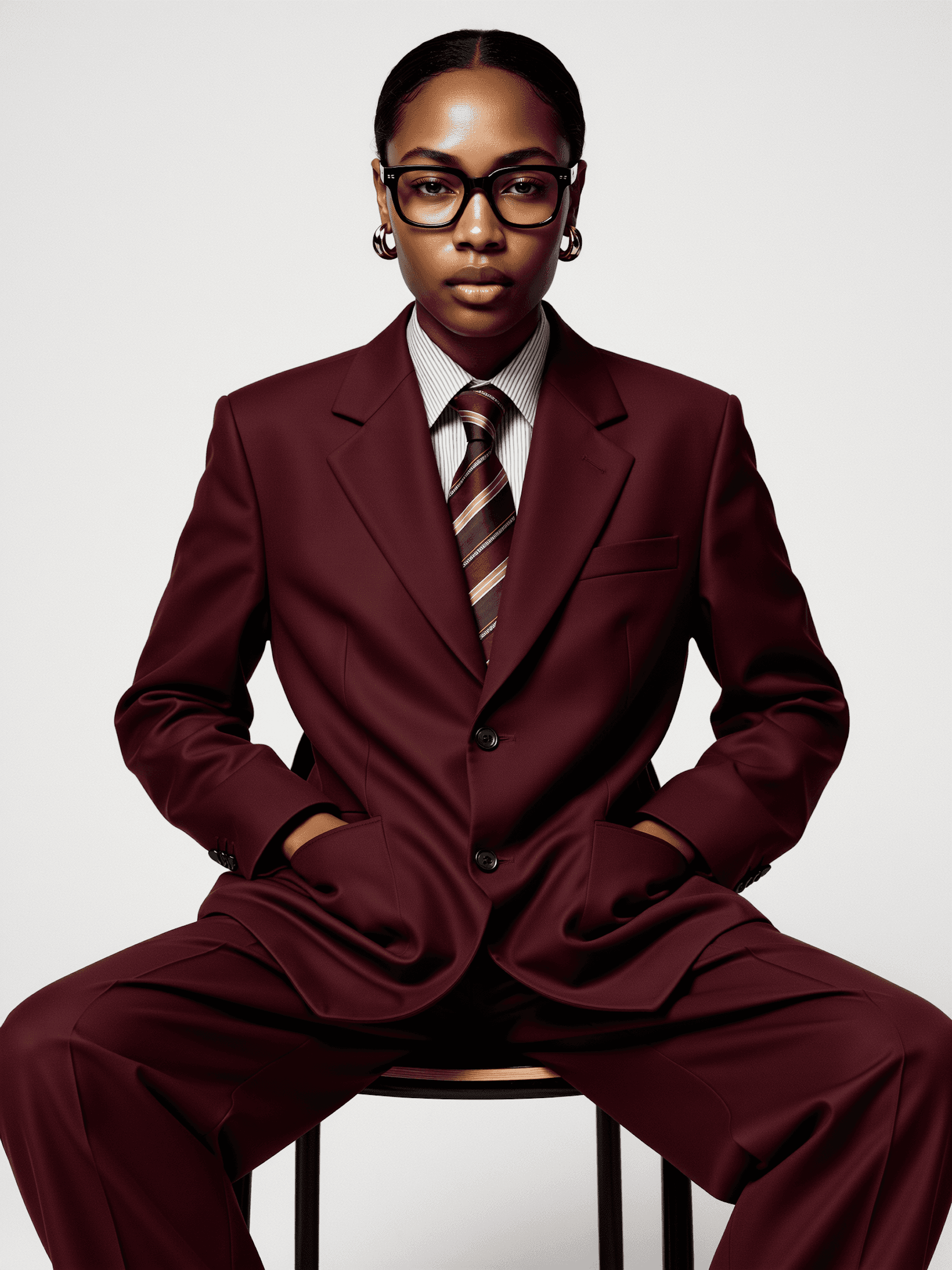
Sahra N’gun
UX Strategist, Mōra Studio
Sahra believes the most beautiful designs aren’t created alone — they’re co-authored through tension, dialogue, and shared intuition. Her approach to UX is rooted in empathy, rhythm, and conversation.