
Every great design begins with a silent contract: trust me. Whether it’s a landing page, an app, or a brand identity, users decide within seconds whether they believe you. And that belief — that gut feeling — has less to do with logic and more to do with how your design feels. Trust isn’t told. It’s designed.
The psychology of first impressions
In digital design, first impressions happen in milliseconds. Before a single line of text is read, the brain has already formed an emotional judgment.
Clarity, spacing, tone — these are not aesthetic decisions. They’re signals. They tell users whether your brand is credible, competent, and worth their time.
Visual trust begins with two things:
Predictability: Users feel safe when they understand what’s happening.
Harmony: When all design elements seem to “agree” with each other.
If something feels slightly off — misaligned buttons, uneven rhythm, inconsistent tone — the illusion of reliability breaks.
Honesty through simplicity
Complexity often hides insecurity. The more noise we add, the more we try to convince.
But trust thrives in simplicity.
A design that’s clear, direct, and unforced communicates confidence — the kind that doesn’t need to shout.
White space gives users breathing room.
Typography that’s legible (not trendy) builds ease.
Buttons that behave exactly as expected create familiarity.
Simplicity isn’t just an aesthetic choice. It’s a moral one — a declaration that says, we have nothing to hide.
The rhythm of consistency
Trust grows when users encounter rhythm — a familiar pace, consistent hierarchy, a sense of control.
That’s why visual systems matter. Grids, typography scales, and color frameworks aren’t just rules — they’re promises. They tell users: you can rely on this experience.
At Mōra, we treat consistency as emotional infrastructure. Every shadow, spacing, and font weight becomes part of the user’s subconscious safety net.
If your visuals feel steady, users stay longer — not because they’re impressed, but because they’re comfortable.
Designing emotional reliability
Emotionally, trust means creating a sense of predictability — not boredom, but coherence.
Imagine a brand that constantly shifts tone: playful one moment, corporate the next. Users don’t know who they’re talking to. That inconsistency breaks the relationship.
Design should be like a good friend — expressive, but steady. It should know when to excite and when to calm.
We often design “micro trust” moments:
A confirmation animation that feels reassuring.
A form error message that sounds kind, not robotic.
A subtle haptic pulse after a successful action.
Each of these details says: you’re safe here.
Transparency in design choices
Users can sense manipulation — even when it’s subtle.
Dark patterns, deceptive CTAs, or overwhelming sign-ups don’t just harm UX — they damage trust permanently.
The future of design lies in transparency.
Show what will happen before it happens.
Let users opt in, not be tricked in.
Be honest about what your product does and doesn’t do.
Visual clarity reinforces ethical clarity.
Trust isn’t earned by perfection — it’s earned by honesty.
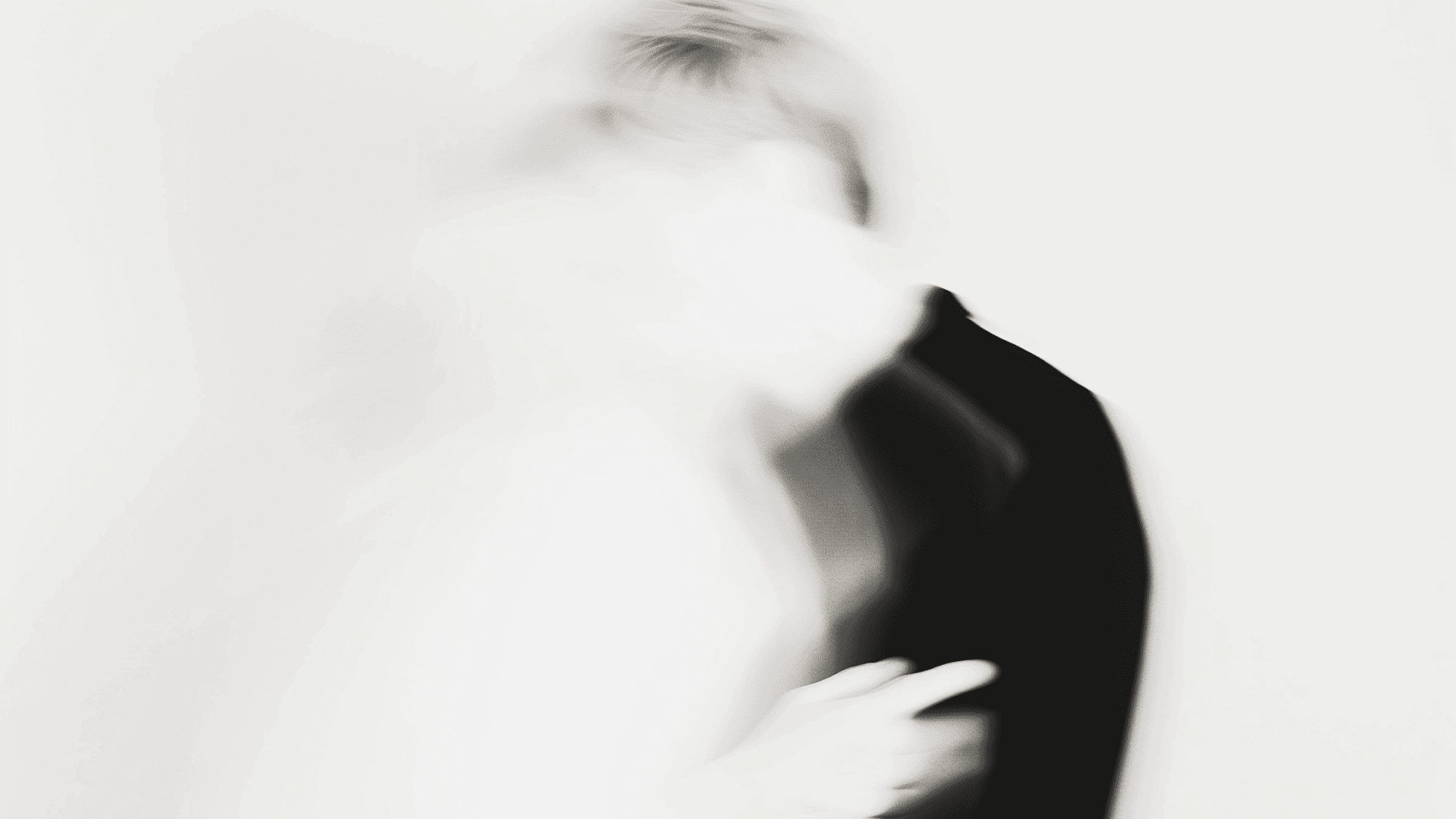
Trust as an aesthetic emotion
A trustworthy design feels… still.
It doesn’t provoke anxiety or rush attention.
That’s why trustworthy brands often share visual traits:
Gentle contrast
Soft motion
Calm typography
Intentional slowness
Trust feels like a deep breath. You can design that feeling — through pacing, spacing, and tone.
When done right, your interface becomes invisible, and the user simply relaxes.
The cost of losing trust
Once lost, trust rarely returns. A single frustrating interaction can undo months of careful design.
That’s why every visual choice carries weight.
It’s not just about beauty. It’s about responsibility.
Designers are guardians of emotional truth — shaping how users feel about what’s real, safe, and good. That’s power worth handling gently.
Conclusion
The anatomy of visual trust isn’t built from pixels or color codes. It’s built from empathy, restraint, and integrity.
Designers don’t just create interfaces — we create emotional contracts.
And when we honor them, users don’t just see a brand. They believe it.
ABOUT AUTHOR

Leon Adu
Visual Designer, Mōra Studio
Leon designs interfaces that feel honest, intentional, and quietly confident. He believes trust isn’t just built through function — it’s crafted through form, restraint, and emotional rhythm.