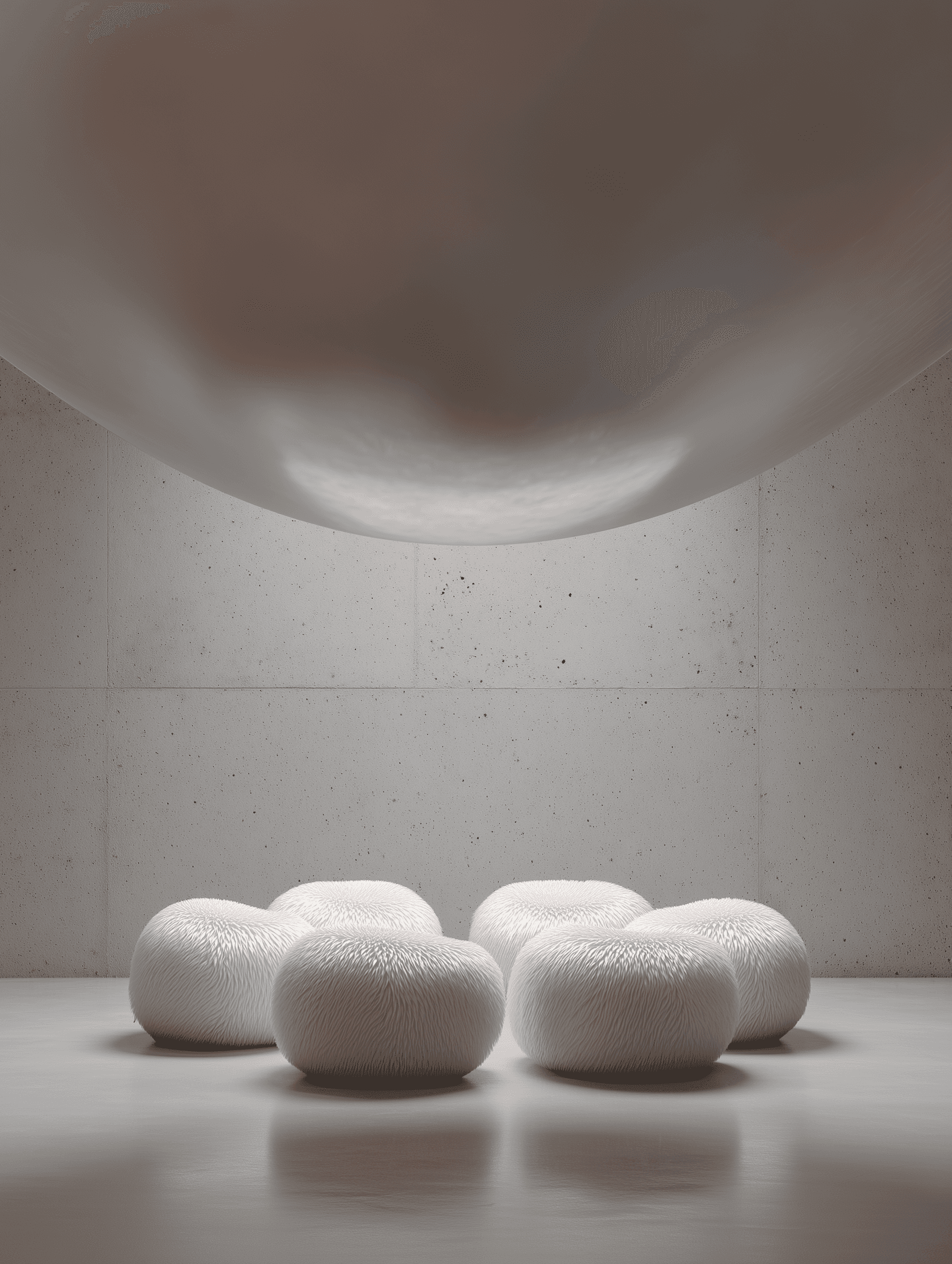
In a world addicted to noise — notifications, color, clutter — silence feels almost rebellious. Yet in design, silence has always been a source of power. The best designers know: what you leave out often speaks louder than what you put in. Silence — or, in visual terms, space — isn’t emptiness. It’s emotion waiting to happen.
The space between things
When we think of white space, we think of gaps — blank areas that separate content. But real space is much more than that. It’s rhythm, breath, and pause.
Every design has a voice, and space determines how loudly it speaks.
Too little, and your message shouts. Too much, and it whispers away.
But when balanced, it sings.
It’s the same principle musicians follow: music isn’t made of notes alone, but of the silence between them. Those pauses are what give melody meaning.
The courage to restrain
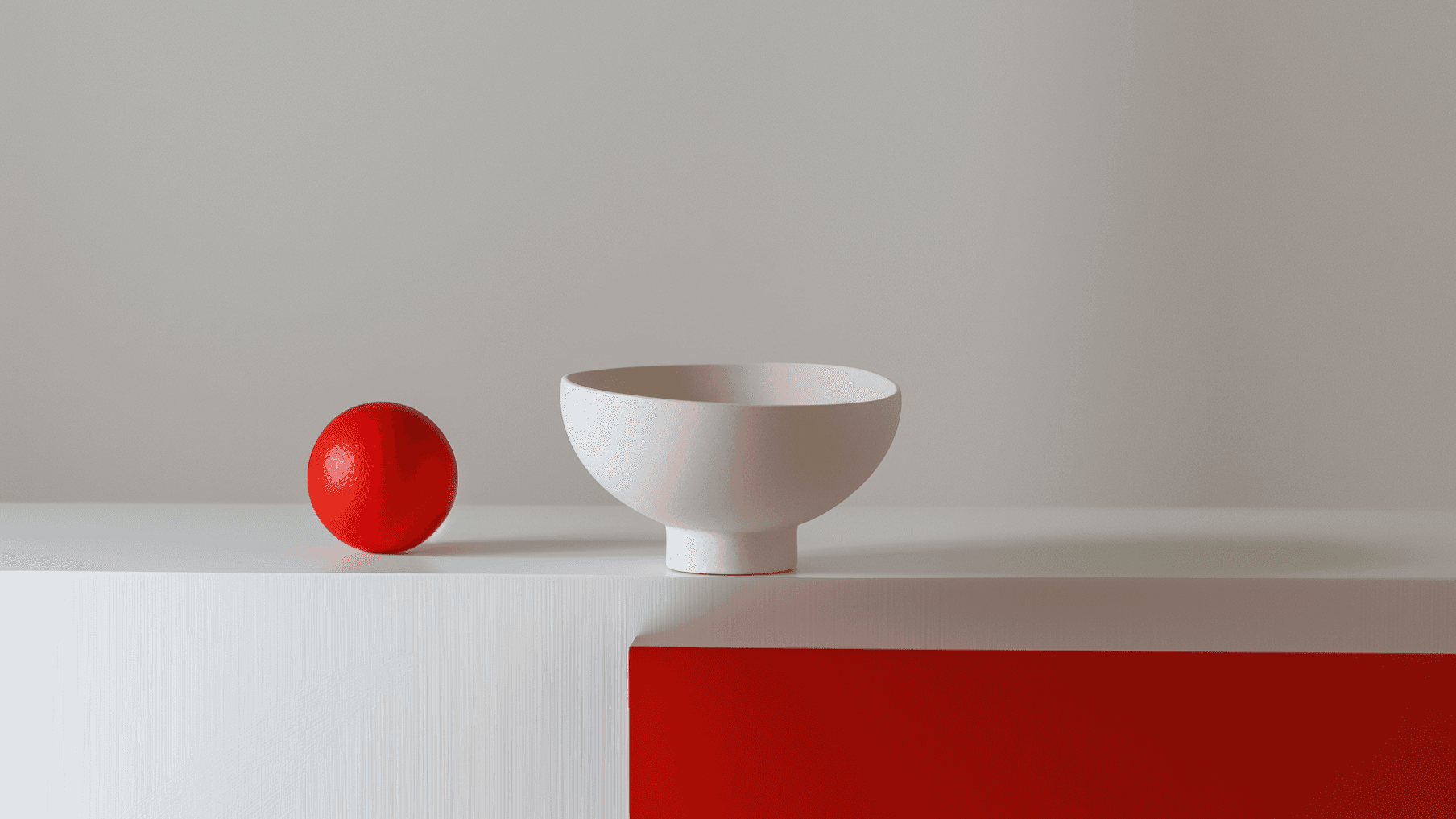
Filling space feels safe. It reassures us that we’re working — that the canvas is “done.” But restraint is harder. It requires confidence, trust, and a sense of timing.
There’s a quiet bravery in stopping before the design feels full. It’s saying,
“I’ve said enough. Let the silence speak the rest.”
In one of our brand projects, the client wanted their homepage to “feel luxurious.” Instead of adding color, animation, or effects, we removed them. We left half the page open, the typography soft, the rhythm slow. The result? Luxury through simplicity.
Minimalism isn’t about doing less — it’s about saying more with less.
Space as emotion
White space isn’t sterile. It’s emotional. It carries tone, like lighting in a film. Open space can feel calm or lonely, elegant or distant, freeing or fragile — depending on how you balance it.
For instance:
Large, open margins around text invite reflection.
Tight spacing creates tension and urgency.
Asymmetric space leads the eye with curiosity.
The more intentional your use of space, the more emotional depth your design gains. Space isn’t a background. It’s a character — silent but essential.
Learning to listen to silence
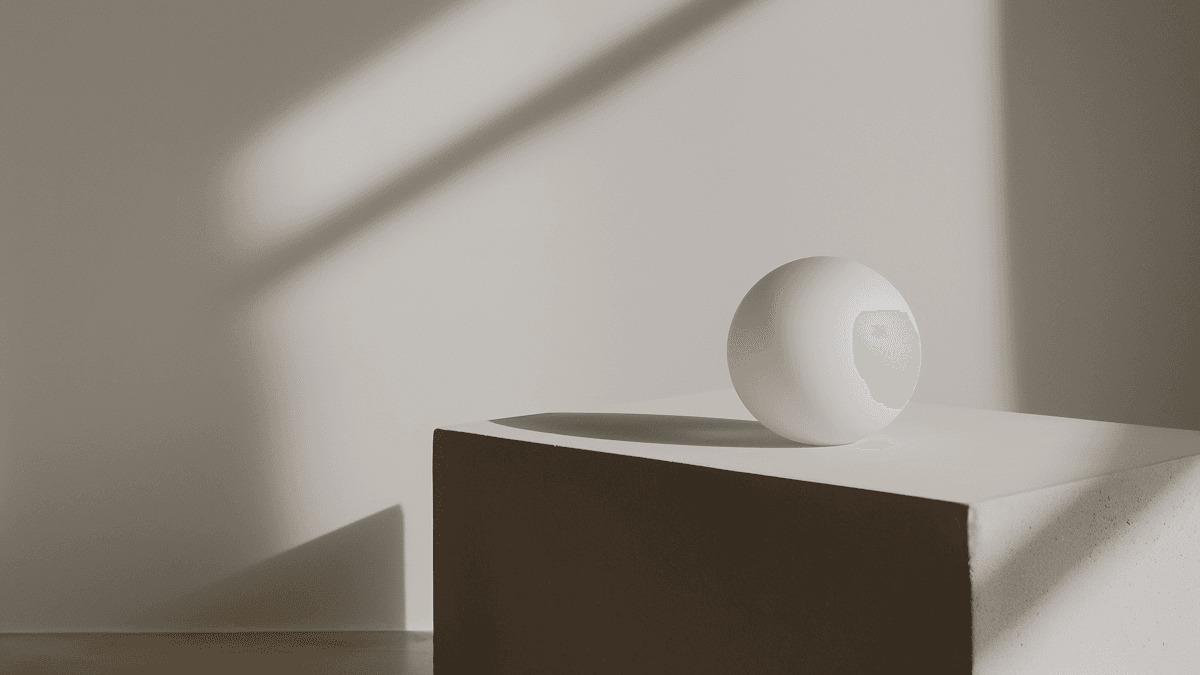
Good design doesn’t always start with adding — it starts with listening.
Before you fill the frame, observe what’s already there. What does the layout want to say? Where does the eye rest naturally? Which elements actually deserve attention?
Every element you add should earn its place.
Every space you leave should have a purpose.
At Mōra, we often end a layout session not by asking, “What else can we add?” but by asking,
“What can we remove without losing meaning?”
It’s a small question that changes everything.
Cultural silence
In Western design, space is often treated as luxury — something to admire from afar. But in Eastern aesthetics, especially Japanese design philosophy (Ma), space is the soul of the composition.
Ma means “the gap,” “the pause,” or “the interval that gives shape to things.”
It’s not absence; it’s anticipation.
You see it in a rock garden, a tea ceremony, or a haiku. The pause, the stillness, the space — that’s where beauty hides.
Bringing that spirit into design makes your work feel timeless. It teaches you to appreciate not what fills the canvas, but what defines it.
Digital noise and the need for pause
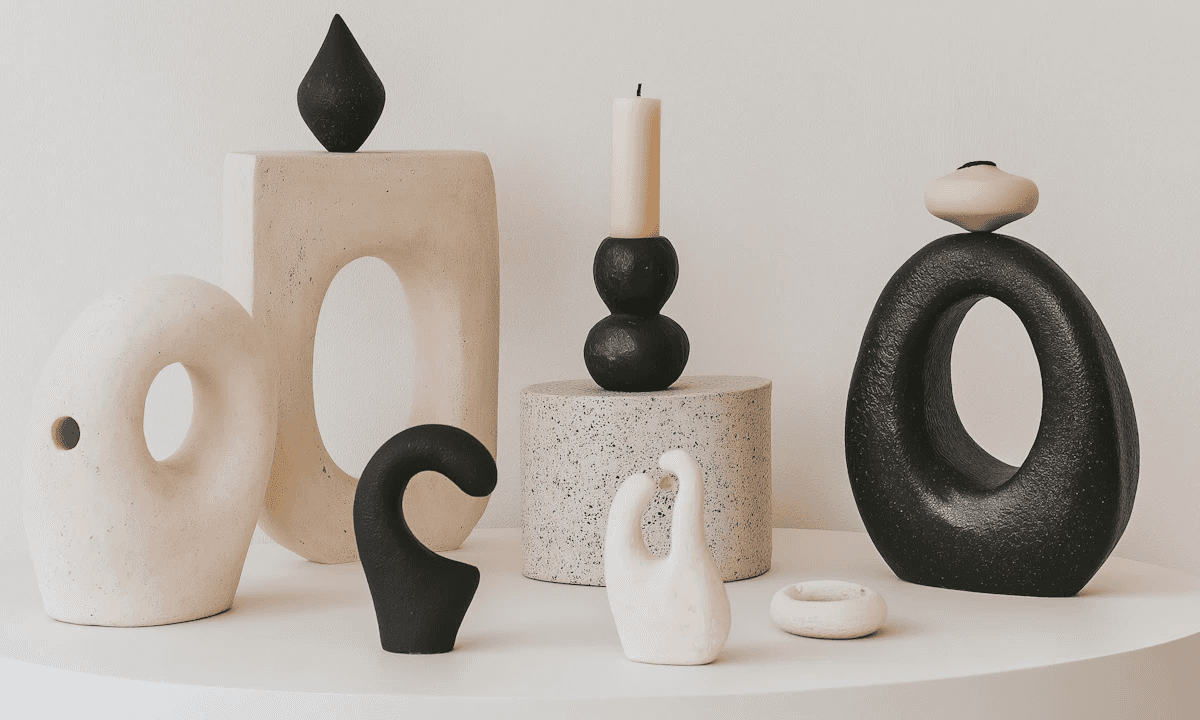
Our screens are drowning in information — colors, pop-ups, buttons, and banners fighting for our attention. It’s overstimulation disguised as engagement.
That’s why simplicity feels like relief.
When you land on a website that’s calm — generous with its space, quiet in its tone — you exhale.
Designers have the power to create that feeling. We can build digital environments that breathe.
And in a world where everyone’s shouting, being quiet is a competitive advantage.
Space as confidence
Leaving space shows you’re not afraid of silence. It says,
“I trust my audience to lean in.”
That’s confidence.
When your design doesn’t rush to fill every corner, it invites curiosity. It lets people slow down — to explore, to feel, to connect.
And when they do, they start to listen.
Not to you, but to what your design evokes in them.
Conclusion
Designing silence is an art. It’s knowing that space isn’t nothing — it’s possibility.
The best designers don’t fear quiet; they master it.
They use it like a conductor uses pause — to build anticipation, emotion, and clarity.
Because silence doesn’t make design weaker.
It makes it unforgettable.
ABOUT AUTHOR

Amira Solé
Art Director, Mōra Studio
Amira is a minimalist designer and creative thinker who explores how emotion is shaped not by what we see — but by what we don’t. Her work balances visual restraint with deep feeling.