
We often think of design as a quest for perfection — clean lines, even margins, precise grids. But what if perfection isn’t the goal at all? What if the most memorable designs come from the moments we miss the mark — slightly off, slightly strange, but undeniably alive? At Mōra, we call that space the rhythm of imperfection — where form meets feeling, and where design begins to breathe.
The Illusion of Control
Grids are comforting. They offer rules, repetition, logic — everything we crave in a world that loves order. But design doesn’t live in perfection; it lives in the tension between what’s planned and what’s discovered.
When everything aligns too neatly, it starts to feel mechanical. Safe. Predictable.
And predictability is the death of emotion.
Think of a jazz musician: the sheet music provides structure, but the magic happens when they break away from it — when rhythm bends and melody surprises. Design works the same way. The grid gives us a framework, but rhythm is found in the breaks, not the boxes.
When Order Becomes Restraint
I used to obsess over alignment. Every pixel needed a reason, every text block had to fit perfectly into a column. But somewhere along the way, my work began to feel… quiet. Too polished. Too polite.
Then one day, while flipping through an old Bauhaus catalog, I noticed something: the best spreads weren’t perfect either. They leaned slightly off-center, mixed font weights in unexpected ways, and treated spacing like rhythm rather than a rule.
It hit me — design is less about perfect grids and more about ideal energy.
That’s when I started intentionally breaking things: misaligning type, shifting compositions off-grid, letting white space spill unevenly. Suddenly, my work felt human again — flawed, expressive, alive.
The Emotion Behind Imperfection
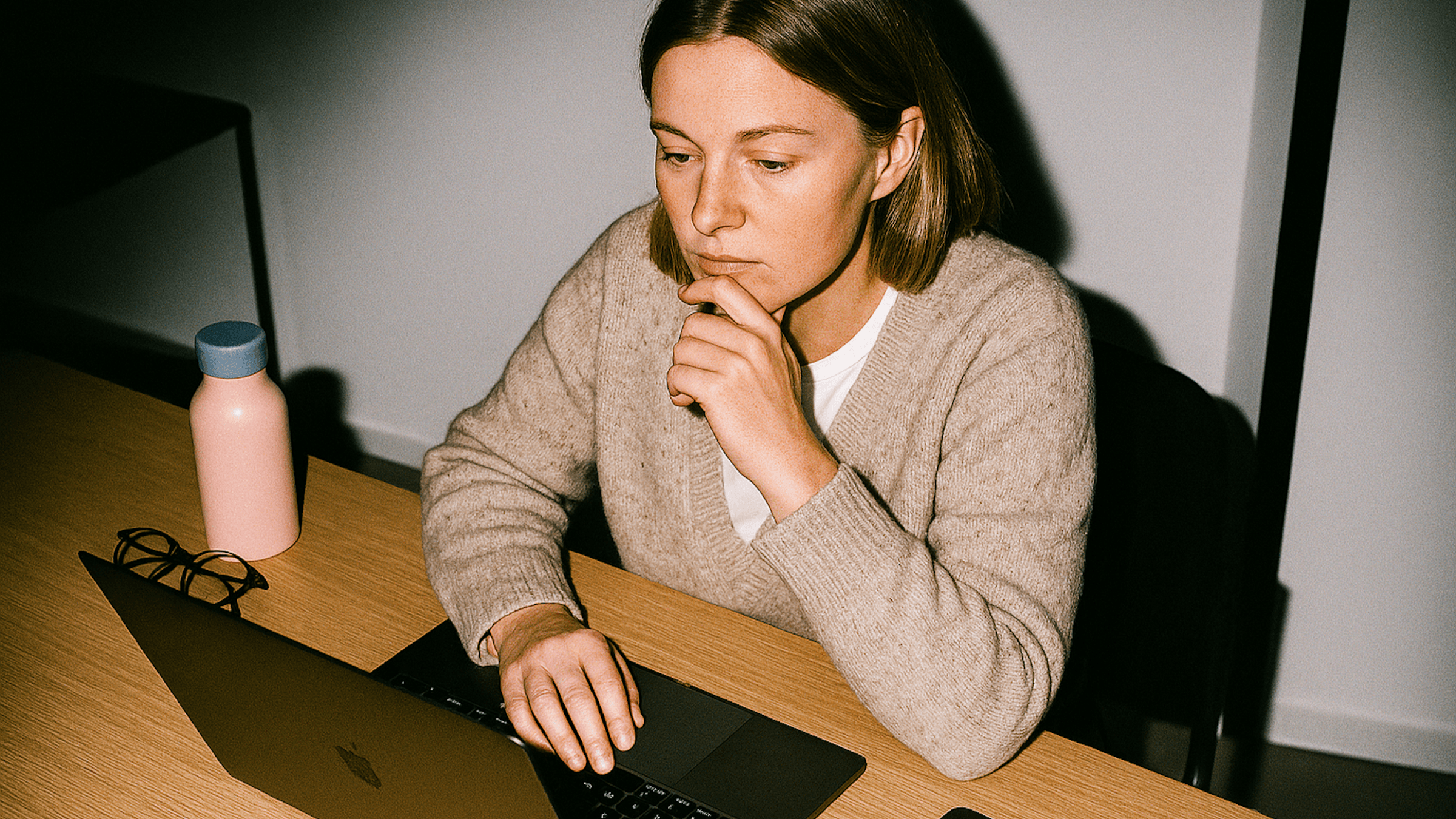
Humans connect with what feels real. That’s why we love texture, noise, and asymmetry. Imperfection hints at effort — the presence of a hand, a decision, a moment.
When a brand’s identity is too flawless, it can feel distant and unapproachable. But when there’s a slight irregularity — a logo that feels drawn, a layout that breathes unevenly — it becomes approachable, tactile, memorable.
We once designed a digital campaign for a wellness brand that wanted “more soul.” Our solution wasn’t color or typography. It was imperfection: organic shapes instead of geometric ones, typography that wobbled slightly, and imagery that embraced grain. The result didn’t just look better — it felt more human.
Nature — The Original Rulebreaker
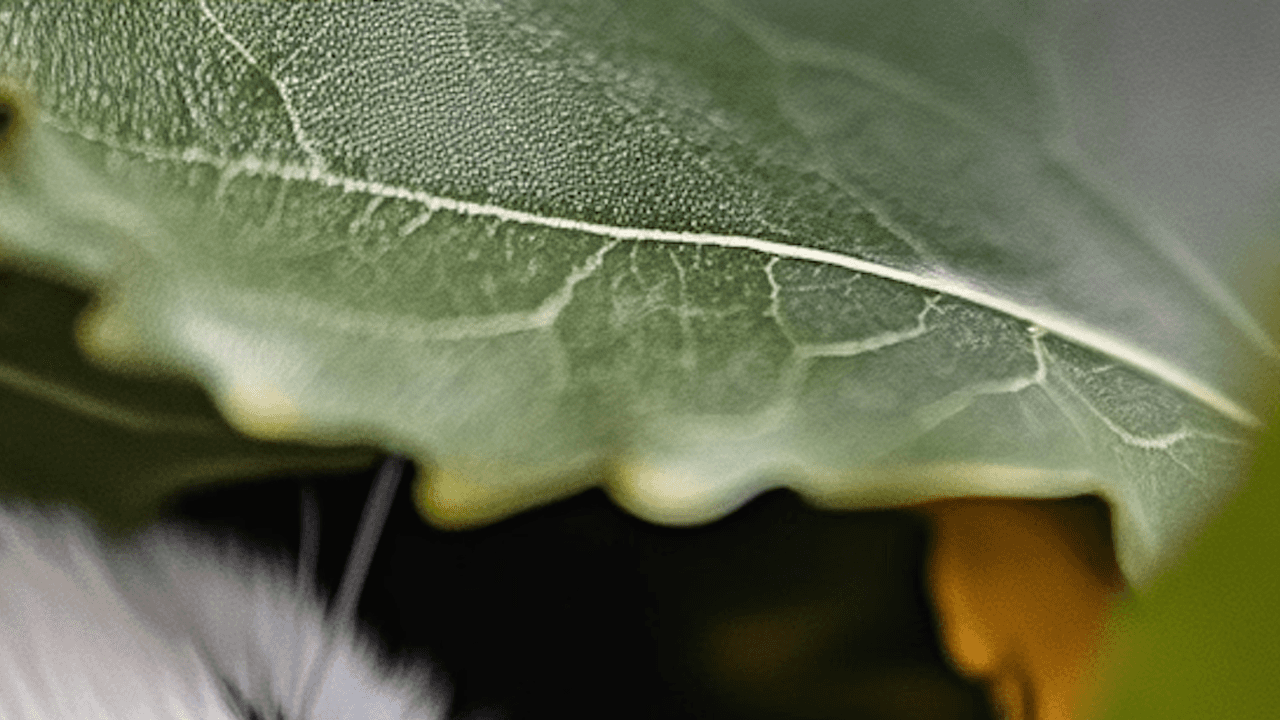
Nature never aligns. Leaves overlap, rivers curve, light scatters unpredictably — yet everything feels harmonious. There’s rhythm, but not repetition; balance, but not symmetry.
Designers can learn from that.
When you loosen control, you allow your work to echo natural rhythm. The way a line curves, an image crops, or a headline floats just slightly off — all these things remind the viewer of something instinctive.
It’s the same reason analog photography feels more alive than digital perfection. The grain, the blur, the warmth — imperfections that create mood.
Letting Go of the Grid (Without Losing Clarity)
The goal isn’t chaos. A broken grid without intention just feels random. The art lies in controlled imperfection.
Start with order. Establish your grid. Then slowly disrupt it:
Nudge an image a few pixels off-center.
Allow a heading to break its column.
Let white space lead the eye instead of symmetry.
This isn’t rebellion — it’s rhythm. You’re creating movement, contrast, and emotion through imbalance.
When every element feels slightly alive, the viewer’s eyes begin to dance across the page instead of scanning it passively.
Rhythm Over Rules
Good design, like music, needs rhythm. Grids create tempo, but it’s the syncopation — the unexpected pauses and offbeats — that make it memorable.
When we design, we’re essentially composing a visual score. Each line, shape, and space carries sound — some loud, some quiet, all contributing to the melody of experience.
The trick is knowing when to stay in key and when to improvise.
That’s where design turns from craft to art.
Learning from the Mistake
The next time you make a “mistake” — a misaligned object, a broken grid, a misplaced image — pause before you fix it. Ask yourself: Is it wrong, or is it interesting?
That single question can transform how you design. Because often, what we call errors are just glimpses of originality waiting to be explored.
Conclusion
Design is at its most powerful when it feels human — and humans, by nature, are imperfect.
Grids will always matter; they give us structure and balance. But the moment you learn to bend them, you step into a more expressive world — one where your work stops being designed and starts breathing.
Because in the end, perfection isn’t the goal.
Resonance is.
ABOUT AUTHOR

Mason Adey
Creative director
A multidisciplinary designer who believes beauty lives in balance — between logic and instinct. Mason’s work explores how imperfection humanizes digital design.